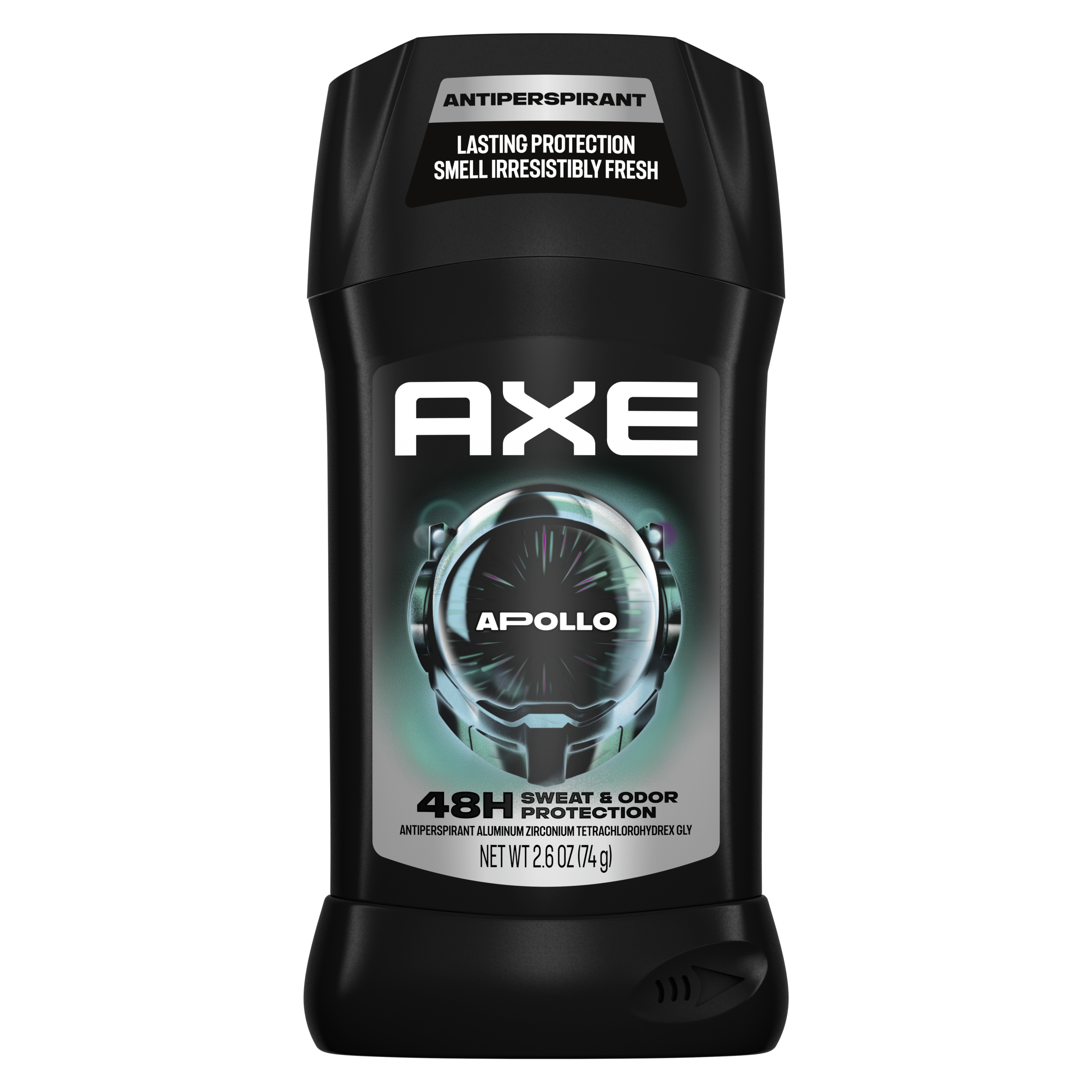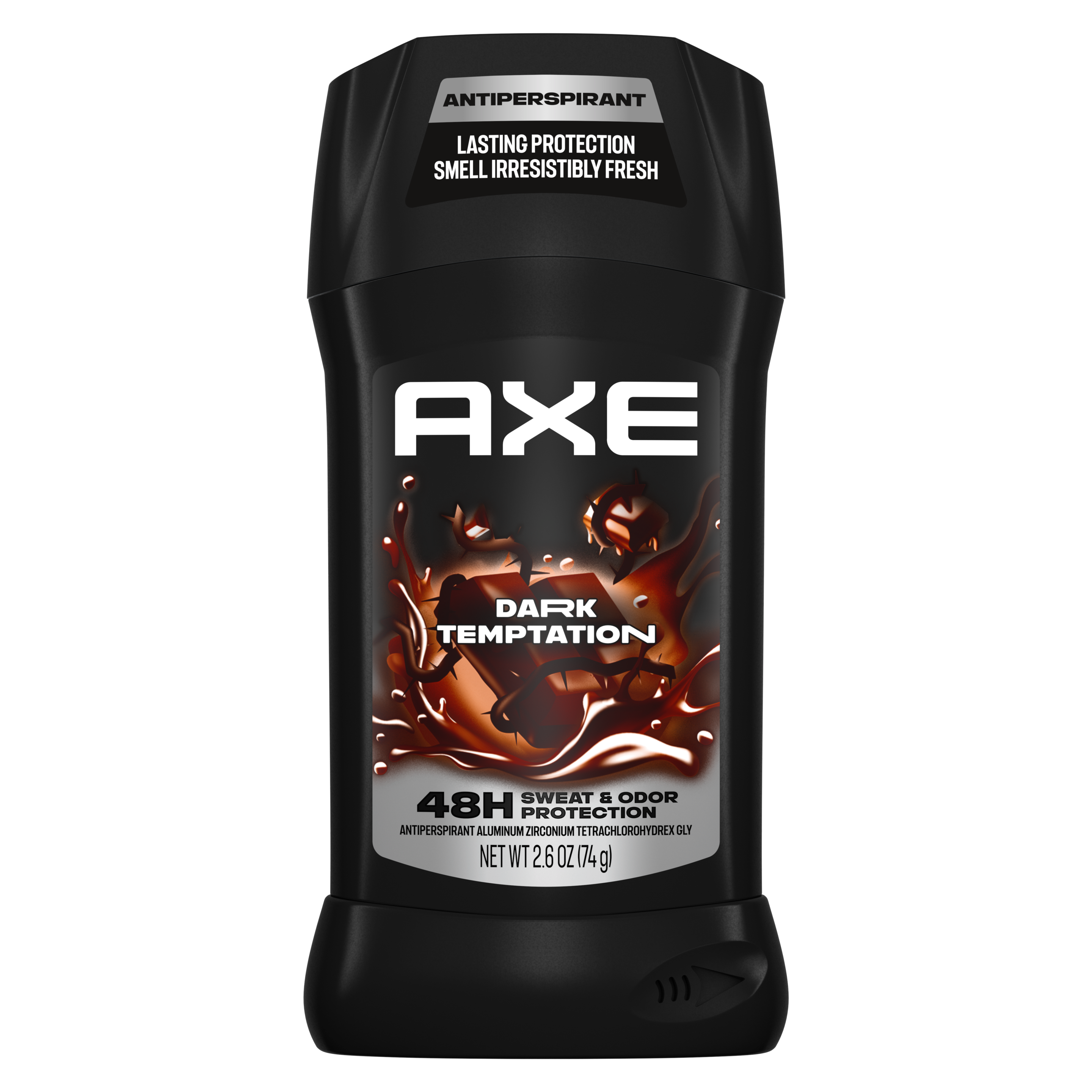
SAVE ON THE AXE FINE FRAGRANCE
COLLECTION
Join our Community and Discover the Axe Effect

Join our Community and Discover the Axe Effect
Save by signing up to receive communications from Axe and other Unilever Brands about exclusive offers, product updates, and more! By signing up, you agree to our Sign-Up and Save Policy and our Privacy Notice.
One day, your deodorant’s on point. The next? It’s like your underarms decided to start doing their own thing. A sudden change in body odor can seriously throw you off.
It happens more often than you’d think. And it doesn’t always mean something is wrong. Sometimes your body is simply reacting to shifts in daily habits, your environment, or routine.
The key is to decode what causes a change in body odor in the first place. Once you understand why it happens, it becomes much easier to adjust your routine and get things back on track.
Sometimes your BO has a reason. Other times, your pits seem to be rebelling. Most body odor changes happen because a few everyday things have quietly shifted. Let’s get a little sciencey and see what’s really going on.
Sweat always gets blamed but it’s not the real troublemaker. Fresh sweat is mostly odorless. The smell only shows up once bacteria on your skin start breaking it down.
“Eccrine glands produce watery sweat across most of the body to regulate temperature,” explains R&D Manager for Unilever Personal Care, Bivash Dasgupta. “Apocrine glands, found mainly in areas like the underarms and groin, release thicker sweat containing proteins and fats. When bacteria break those down, stronger odor can develop.”
Think of it like a silent chemistry experiment happening on your skin. When the balance between sweat and bacteria shifts, a change in body odor scent happens.
Your body chemistry isn’t set in stone. When your age and routines shift, so does how you sweat—and how your skin handles it. Puberty is the most obvious time this happens, with hormones in full swing. But changes in activity levels, routines, and lifestyle can also play a role, which means body odor can evolve at any stage of your life. Basically, it’s just your body adjusting to a new rhythm.
Here are a few of the usual suspects:
Some foods can influence how your sweat smells like garlic, onions, spicy dishes, and red meat. They contain sulfur compounds, and when your body breaks them down, these odor-causing chemicals are released through your sweat.
When your body’s under pressure, your apocrine sweat glands kick in and release thicker sweat full of proteins and fats—basically fuel for bacteria. That’s why your body odor can get stronger during high-pressure moments. So presentations, interviews, or hectic workdays can make underarm odor more noticeable.
Sweat, skin oils, dead skin cells, and leftover product can build up over time. When bacteria start breaking those layers down, odor becomes stronger. A good daily shower routine can make a big difference.
Sometimes it isn’t your grooming routine. It’s your shirt. Certain fabrics, especially synthetic ones like polyester, trap sweat and bacteria more easily than breathable materials. When airflow is limited, moisture sticks around longer, giving odor more time to develop.
If you’re sweating more—because of stress, workouts, or just hot weather—your regular deodorant might start fading on you. That’s when switching to an antiperspirant, which tackles odor and sweat, can help.
Most changes are quite normal—sweat shifts, bacteria do their thing, and your scent evolves a bit. But some infections, metabolic conditions, or thyroid problems can affect how the body processes sweat and odor compounds and cause a body odor change in men.¹ It’s worth getting checked out by a doctor if it:
Now that you know what causes a change in body odor, let’s talk about daily habits that can help keep things fresh.
A solid daily shower routine does more than make you feel refreshed. It clears away the sweat, bacteria, and buildup that can cause body odor. Wash odor-prone areas like underarms, feet, and groin thoroughly and remember to dry off well. Bacteria love damp places!
Dead skin gives sweat and bacteria more places to gather, which can make odor stronger. Gentle exfoliation clears the layer away, leaving skin smoother and giving bacteria less to feed on.
Staying hydrated helps water down your sweat, so body odor isn’t as intense. You might also want to go easy on foods with lots of sulfur—like garlic, onions, and spicy meals—since they can make sweat smell stronger.
Tackling body odor usually takes more than one product. Body wash helps cleanse your skin properly, washing away sweat and bacteria, while deodorant or antiperspirant keeps things fresh afterward. No formula can perform at its best if it’s applied over buildup—so a shower sets the stage for your product to actually work.
Deodorant is all about fighting odor. It doesn’t block sweat—it neutralizes the smell that bacteria create when sweat breaks down. Perfect for everyday use when you’re not drenched in sweat but still want to stay fresh.
Pro tip: Apply deodorant right after your shower for the best results.
Antiperspirant works a bit differently. It reduces sweat, which helps tackle odor before it starts. Great for hot days, workouts, or when you know you’ll be sweating more.
Pro tip: Apply at night before bed when your sweat glands are less active.
Deodorant is one of those products that can stay in your routine for years without a second thought. But as your body or lifestyle changes, the formula that once worked may stop keeping you fresh.
If you’re reapplying more often or relying on scent to cover body odor instead of preventing it, it might be time to upgrade. Stronger body odor or sweat also signal your old deodorant isn’t keeping up.
Different formulas do different jobs. Some are light, while others are built for heavy lifting. Switching to stronger protection—like an antiperspirant—is a smart move. Pairing your it with a matching body wash gives it the best shot at working, helping scents last longer and keeping body odor and sweat in check all day.
A sudden change in body odor usually happens when sweat and bacteria on the skin interact differently than usual. Stress, diet shifts, new fabrics, or more activity can all affect how odor develops under your arms.
Yes. Eating foods like garlic, onions, spicy meals, and red meat can cause a change in body odor. Alcohol and caffeine can also increase sweating for some people.
Most of the time, a sudden change in body odor is linked to lifestyle factors like diet, stress, or changes in your routine. But if the smell is unusually strong or doesn’t go away despite good hygiene, it may be worth checking in with your doctor.
Deodorant tackles odor caused by bacteria on the skin. An antiperspirant reduces sweat, which also reduces odor.
Related Products
RELATED ARTICLES