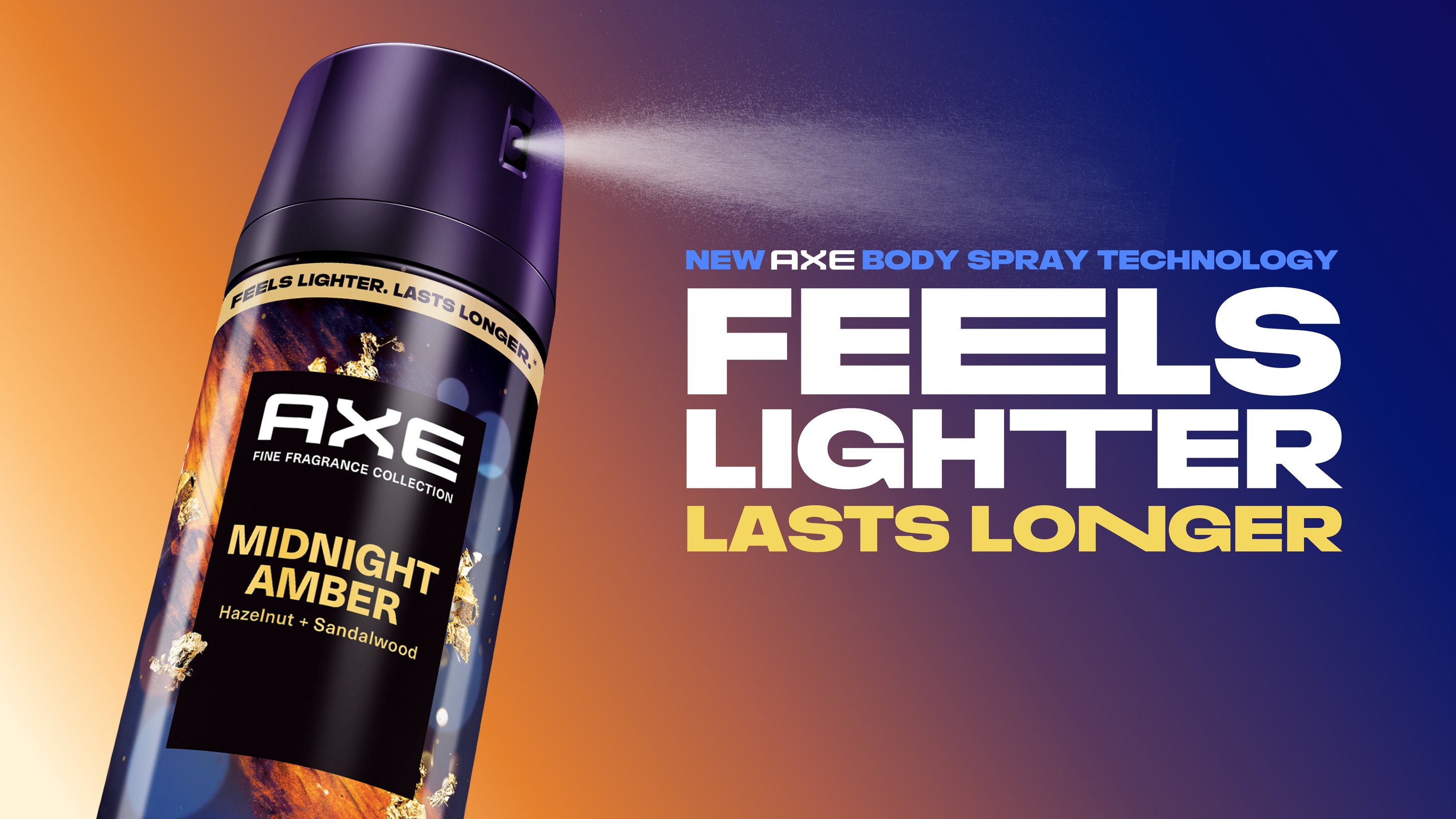
SAVE ON THE AXE FINE FRAGRANCE
COLLECTION
Join our Community and Discover the Axe Effect

Join our Community and Discover the Axe Effect
Save by signing up to receive communications from Axe and other Unilever Brands about exclusive offers, product updates, and more! By signing up, you agree to our Sign-Up and Save Policy and our Privacy Notice.
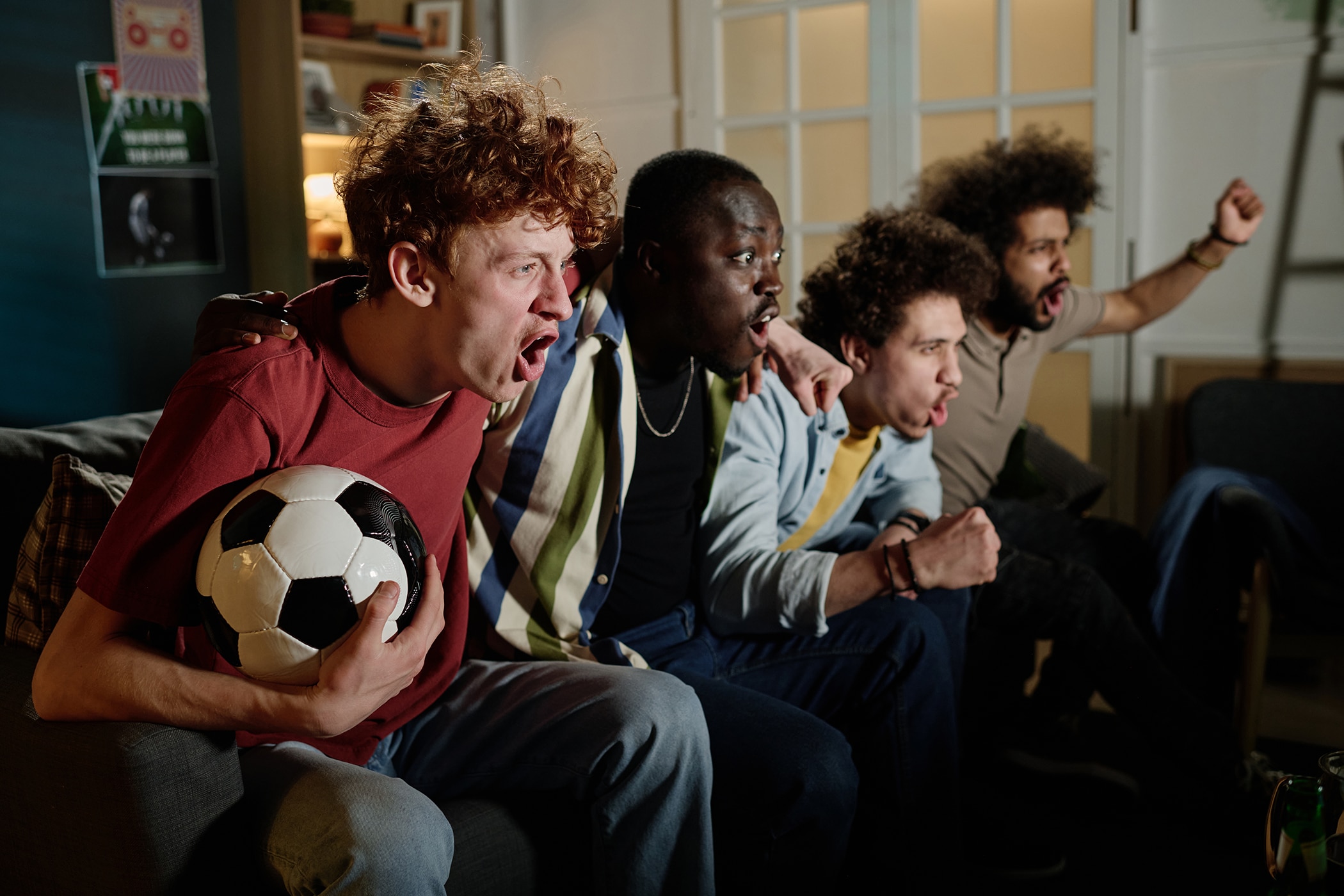
It's World Cup Day, and you're gearing up for a long day. The opening fixtures kick off at 11 am, followed by an afternoon match, and then the late-night showdown under the stadium lights.
After all that, it's time to hit the post-match bar. That's a lot of hours for a deodorant to keep up, especially when you're dealing with stress sweat from penalty shootouts, and heat sweat at outdoor watch parties.
Match-day sweat isn't just "more sweat". It's a whole different beast. That's because two types of sweat glands kick into overdrive. Eccrine glands are the ones responsible for producing watery, high-volume sweat triggered by heat and meant to cool you down.
Apocrine glands produce sweat that’s triggered by stress, excitement, and adrenaline. Unilever R&D Manager Bivash Dasgupta explains that “this fatty and oily sweat doesn’t have any odor on its own, but when certain skin microbes feed on it, this breaks it down to produce a strong odor”
When a close match triggers both sweat glands at once, this high stress moment activates the fight-or-flight response, releasing adrenaline that fires up your apocrine glands within seconds.¹ Your heart starts pounding, your breath gets faster, and sweat appears. So when your team scores in stoppage time, you're dealing with a different sweat profile than regular heat sweat.
Moving between an air-conditioned bar, a packed indoor watch party, and an outdoor fan zone means your body is constantly adjusting, switching between cooling down and heating up across the day. Each transition is another trigger for your sweat glands. On a full match day, all of this stacks up fast.
Body spray, deodorant, and antiperspirant all do different things. Body spray helps keep your scent fresh, deodorant targets odor, and antiperspirant helps reduce sweat and wetness before it starts. When match-day emotions, heat, and stress hit at once, you need all three working together.
Think of it like your starting lineup. Antiperspirant is your defender, using aluminum-based active ingredients to reduce how much sweat reaches your skin's surface. Less sweat means less bacterial fuel, which means less odor.
Deodorant is your striker. Antimicrobial agents and fragrance go straight for odor-causing bacteria and shut them down. They don’t stop sweat. They stop the smell.
For a full match day, you need both on the pitch.
When you're going from couch to stadium to bar across a full day, your format choice can be the difference between fresh and not-so-fresh.
| Format | Use It When… | Pros | Cons |
| Stick / Solid | You want the strongest base layer | Even coverage, no risk of white marks with proper drying | Slightly longer to apply |
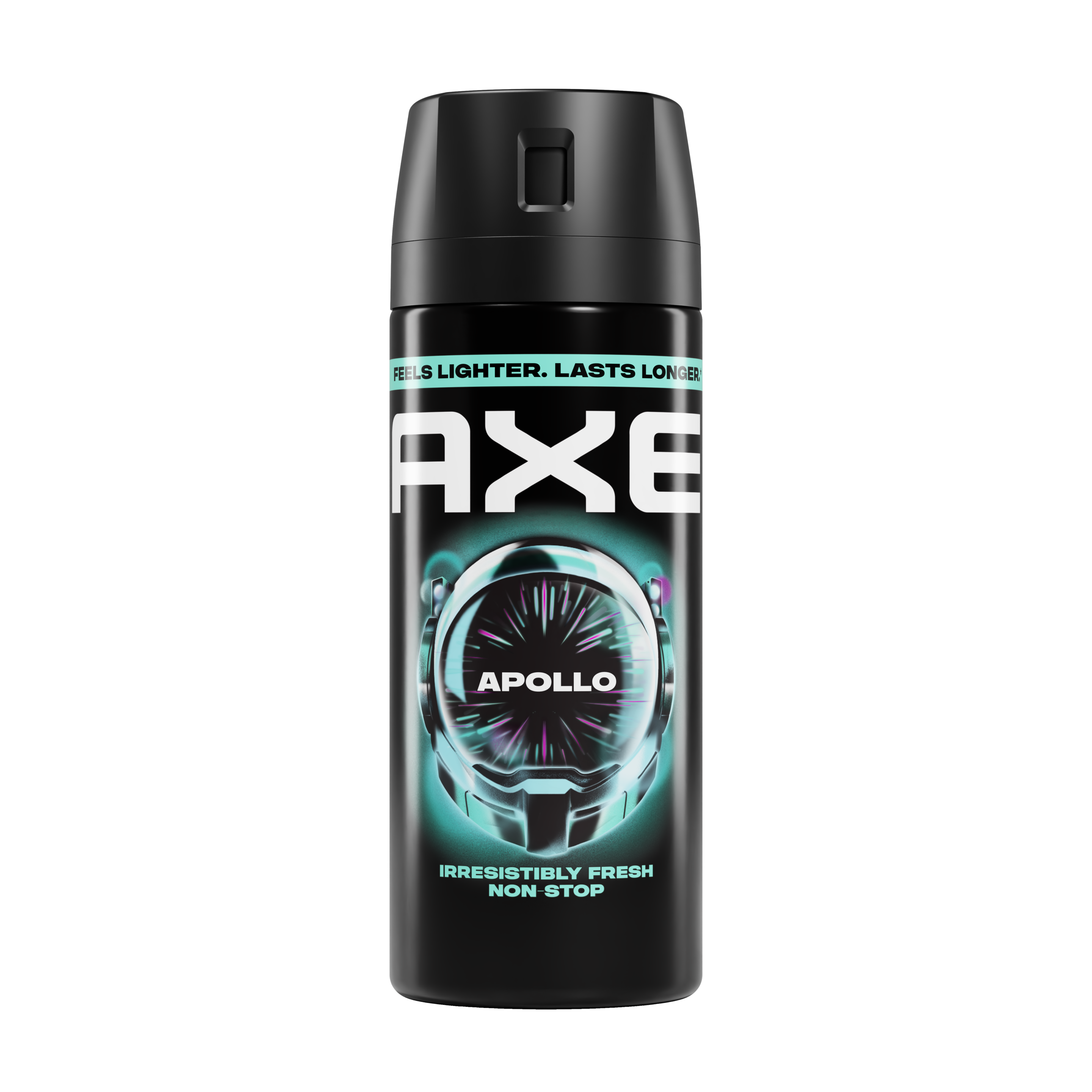
| Antiperspirant Dry Spray | You're heading out or refreshing on the go | Dries instantly, no residue, travel-friendly | Less precise targeting |
| Body Spray | You need a scent reset between matches | Fragrance-led, instant freshness, confidence boost | Doesn't reduce sweat |
Three moves. That's all it takes to set yourself up for a full match day.
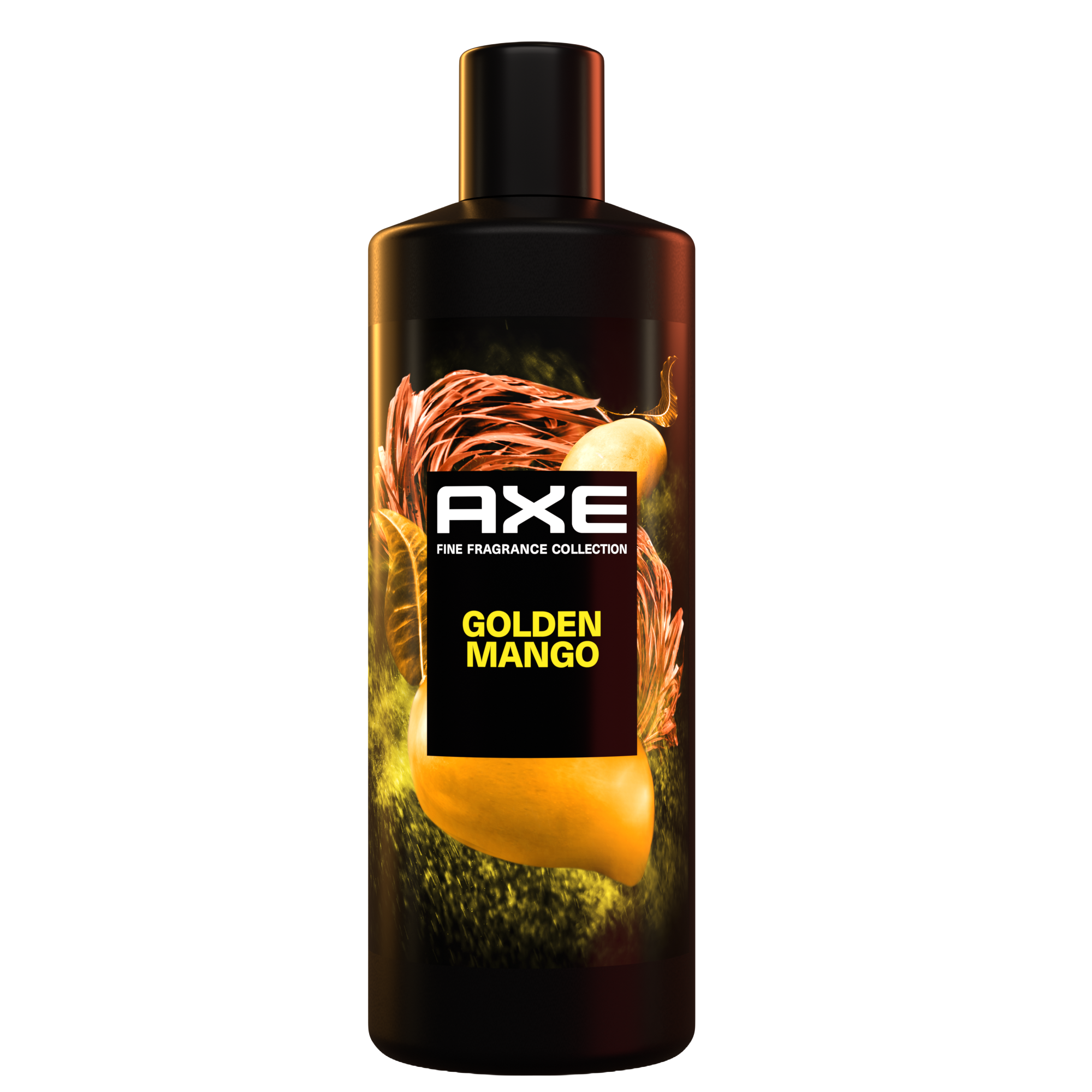
Move 1: Start with an odor-fighting body wash. The antimicrobial agents clear odor-causing bacteria off your skin before you even start sweating. The cleaner the base, the longer your protection holds.
Move 2: Apply antiperspirant the night before. Sweat production is lowest while you sleep, giving the aluminum-based actives time to get to work.
Move 3: Layer your scent family. Match your body wash, antiperspirant, and body spray to the same scent profile, and your fragrance reinforces itself throughout the day instead of fading by halftime.
Nobody wants to smell like they’ve played 90 minutes next to Kylian Mbappé. Here’s your match-day freshness game plan:
Unlike your other senses, smell has the most direct pathway to the part of your brain that processes emotion and memory.² That's why a scent can quickly change your mood.
Wearing fragrance can also change the way people see you socially, even if they don’t consciously notice the scent.³ In a watch-party setting this matters more than you'd think. Picking a scent that feels like you is part of how you show up. It's the difference between blending into the room and owning your corner of it.
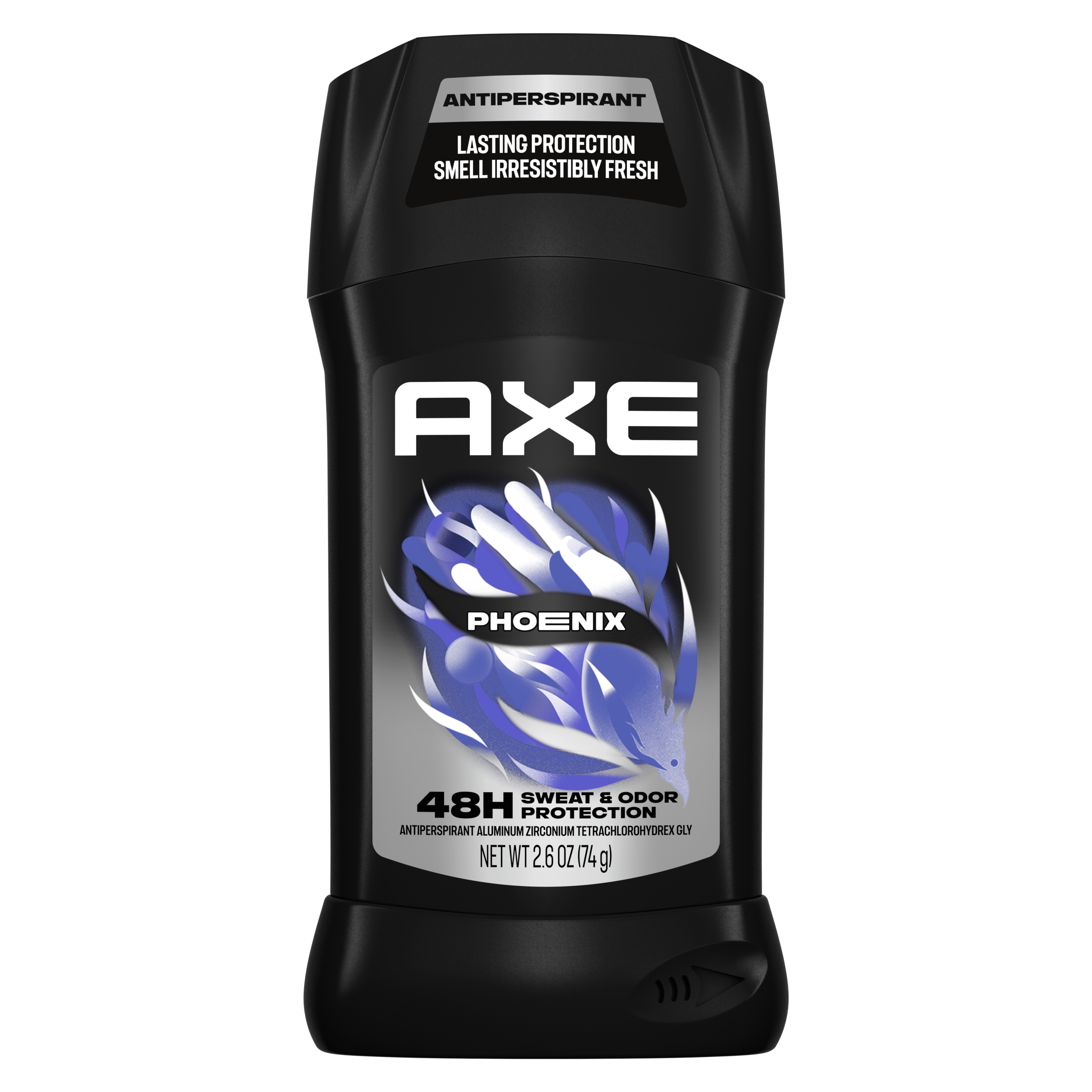
If you deal with heavy sweating, an antiperspirant (not a deodorant) is the right tool. Antiperspirants use aluminum-based active ingredients to temporarily reduce sweat at the source. Look for a 48-hour formula or higher and apply it at night for maximum protection.
Antiperspirants reduce sweat with aluminum-based actives. Deodorants don't stop sweat; they use antimicrobial agents and fragrance to neutralize the bacteria that cause body odor. Combine both for full protection from sweat and odor.
Build a layered routine: antiperspirant the night before, a same-scent body wash in the morning, and a travel-size body spray for halftime refreshes. Pack a spare shirt for between matches.
An antiperspirant is better. The combination of stress sweat (from close games) and heat sweat (from outdoor venues or hot stadiums) needs wetness control, not just odor masking. Pair it with a body spray for added scent.
Yes, the cleaner your skin is going into the day, the harder it is for odor-causing bacteria to develop later. An antimicrobial or sweat-fighting body wash creates a better baseline, and using one from the same scent family as your deodorant reinforces fragrance throughout the day.
Apply to clean, dry skin. For maximum effect, apply at night before bed; sweat production is lowest then and absorption is highest. A few swipes are enough. Overuse causes residue, not better protection.
The World Cup comes around once every four years. Make sure you show up for every second of it, from the opening kickoff to the final whistle and everything that comes after. Your routine is sorted. Now go enjoy the game.
1. Harvard Health. Understanding the stress response. 2024.
Related Products
RELATED ARTICLES