SAVE ON THE AXE FINE FRAGRANCE
COLLECTION
Join our Community and Discover the Axe Effect

Join our Community and Discover the Axe Effect
Save by signing up to receive communications from Axe and other Unilever Brands about exclusive offers, product updates, and more! By signing up, you agree to our Sign-Up and Save Policy and our Privacy Notice.
The hoodie that smelled fine last week now doesn’t. The gym bag has its own atmosphere. Puberty has entered the chat.
For boys this typically happens between the ages of 9 and 14, and that’s when apocrine sweat glands get activated. Sweat starts mixing with skin bacteria causing body odor, and odor control suddenly becomes a focus.
Finding the best deodorant for teen boys doesn’t have to be complicated, though. It really depends on the situation, whether your teen needs coverage at sports practice, during long school days, or just for all-day freshness.
This guide is for parents and teens. No awkwardness. Just practical advice on what works.
Hormonal changes brought on by puberty kick apocrine sweat glands into high gear. During this time, they also release different chemicals into sweat, making the odor stronger.1
“Apocrine glands produce an oily sweat and are found in body areas with hair follicles like the armpits and groin,” Unilever R&D Manager Bivash Dasgupta explains. “This fatty, oily sweat does not have any odor on its own, but when certain skin microbes feed on it, they break it down to produce a strong odor.”
Puberty body odor is a normal and expected, and once it starts, adding deodorant becomes part of the right routine.
This is often the part parents find more uncomfortable than teens do. Here are a few tips that can make the conversation easier:
A five-minute conversation, not a big talk. You can always revisit the topic later.
“Your body is starting to make a different kind of sweat now” lands better than referring to body odor directly. Frame it as a normal puberty change, like growing taller or your teen’s voice breaking.
Focus on the new routine and new products, not the body odor.
Ideally this conversation should happen before body odor becomes noticeable, around the age of 10 or 11. Introducing deodorant as a normal new step is easier than addressing it after the fact.
Picking the scent and format they like means they’re more likely to use it.
One of the most common questions parents and teens search is the difference between deodorant and antiperspirant. Here’s the short version.
Deodorant uses antimicrobial agents and fragrance to neutralize odor-causing bacteria. Good for teens who don’t sweat much and just want to smell fresh.
Aluminum-based active ingredients in antiperspirant temporarily reduce how much sweat reaches the skin. Less sweat means less bacterial fuel and less odor. A good choice for active teens or teen boys who sweat a bit more.
There are also products labeled “antiperspirant deodorants” meaning they’re formulated for both sweat and odor control. Practical for sporty teens.
This a sometimes a concern for parents, but the FDA has reviewed and approved aluminum-based antiperspirants for daily use.²
“Long-term use of antiperspirants is safe when used as directed, and they even begin to work better the more you use them,” confirms Unilever R&D Manager Jamie Regan.
Avoid heavy scents in school environments where they can become overwhelming in shared spaces. Lighter, fresher scents work better for daily wear. Bolder choices are best saved for evenings or weekends.
Layering products from the same scent family creates a stronger fragrance throughout the day. Apply an antiperspirant stick in the morning for sweat and odor control, and a body spray for a scent refresh between classes or after sports practice.
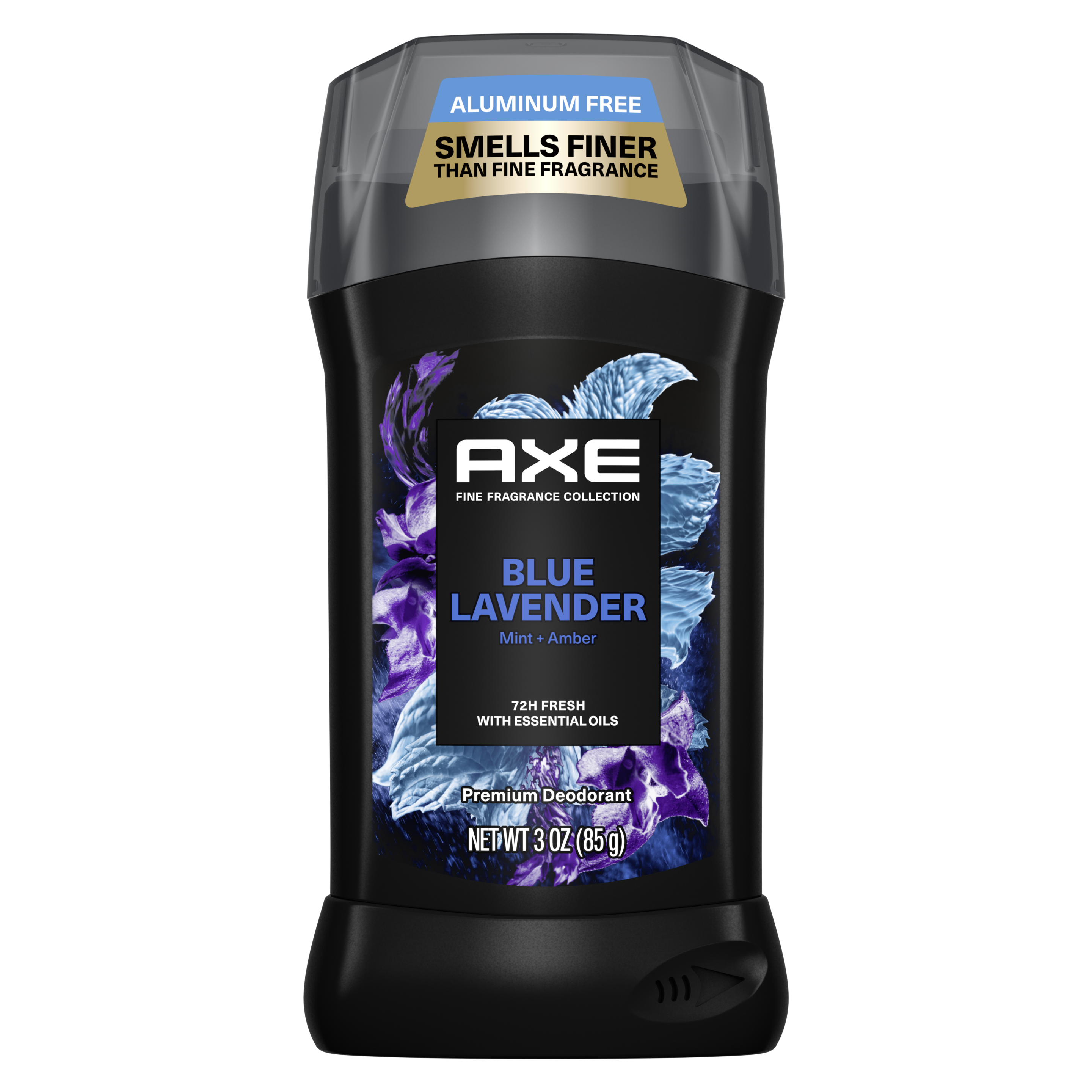
If your teen boy doesn’t sweat much and just wants to smell good, AXE Blue Lavender Premium Deodorant Stick is light, fresh and aluminum-free. But it still keeps him covered for 72 hours with a scent of lavender, amber and mint.
With a fresh scent of sage and cedarwood, AXE Apollo Antiperspirant Stick provides 48-hour protection for teen boys who need reliable coverage for a full school day and activities.
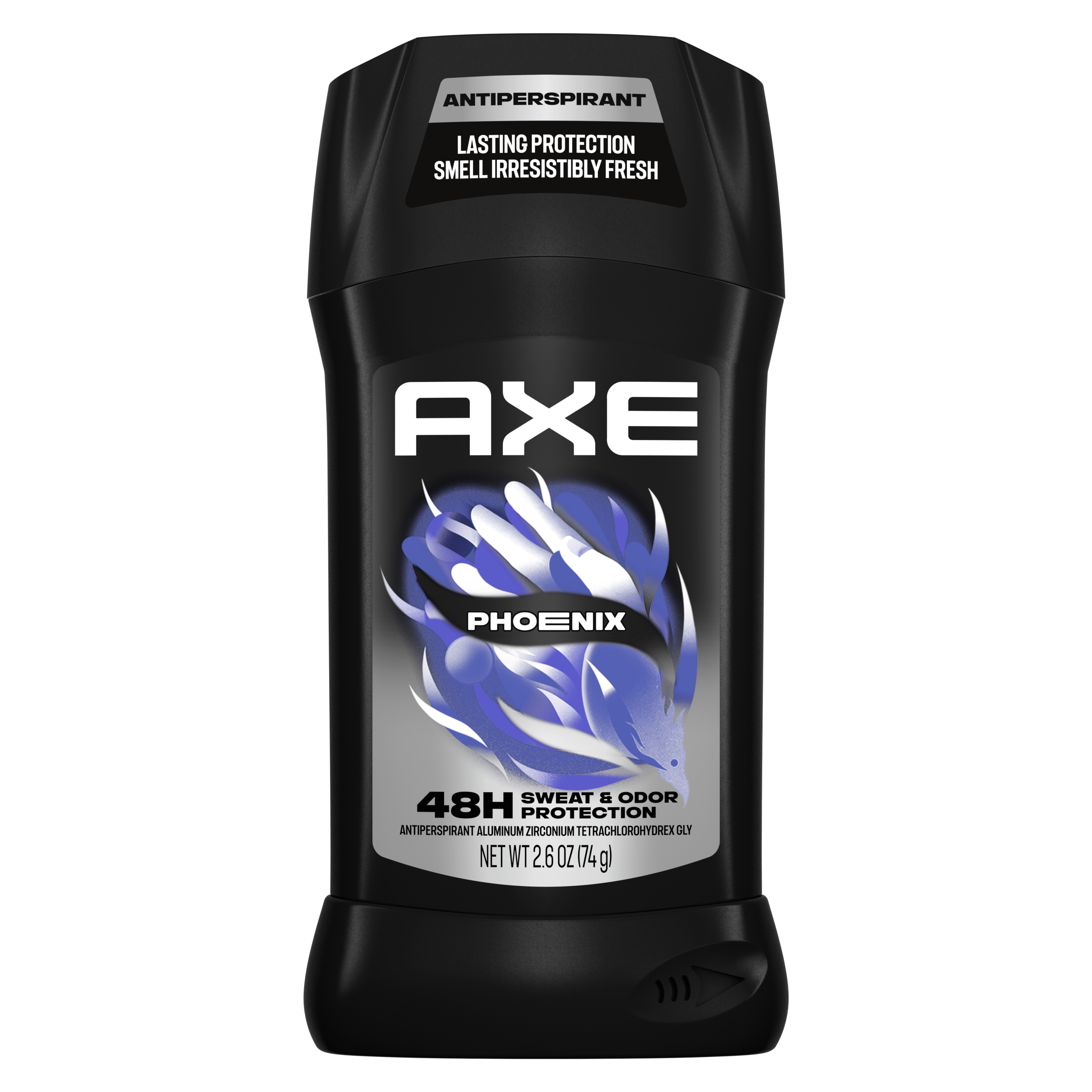
AXE Phoenix Antiperspirant Stick keeps sweat in check for 48 hours with a fresh finish that doesn’t overpower. Crushed mint and rosemary scent.
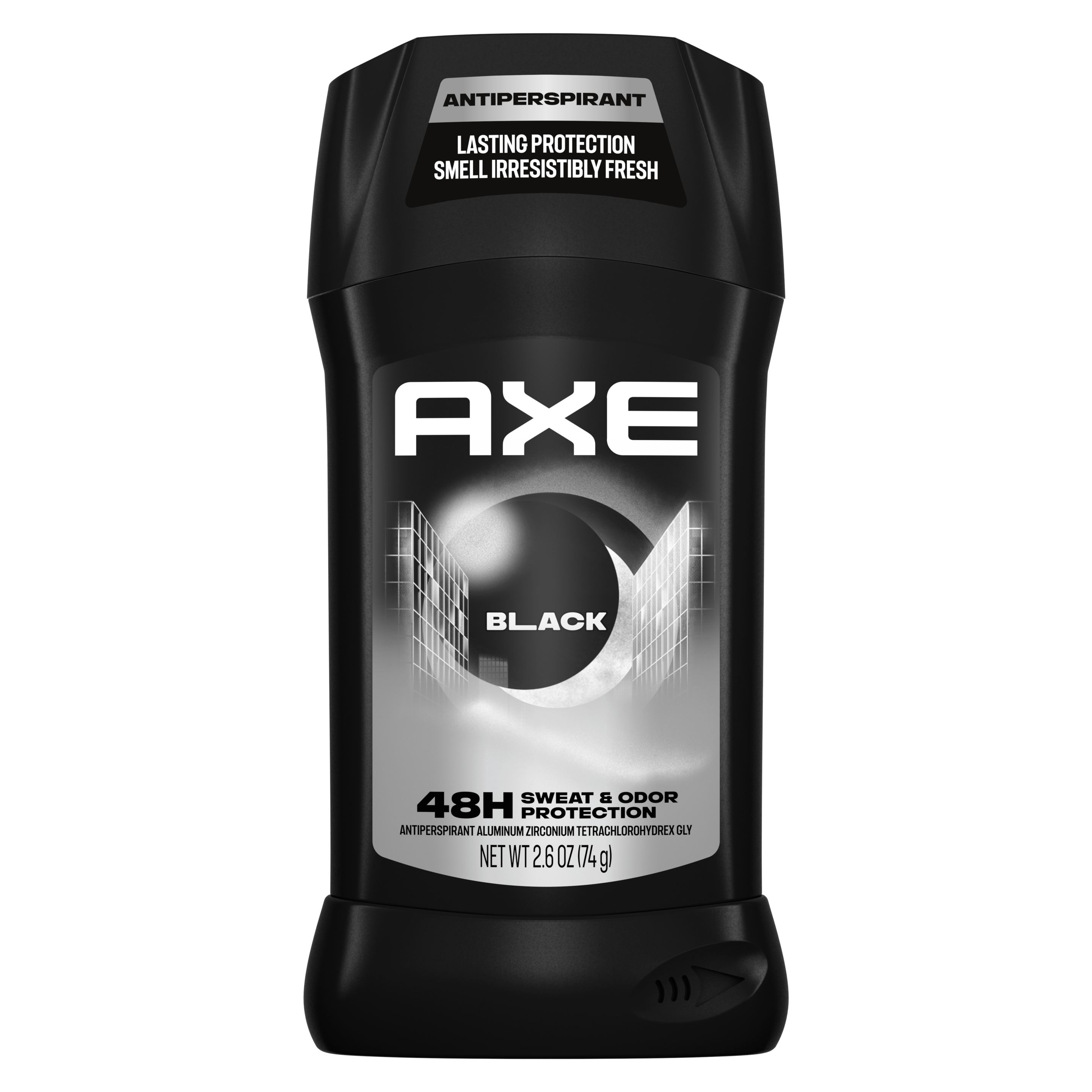
AXE Black Antiperspirant Stick has a more subtle scent than Apollo or Phoenix, making it better for classroom settings where a teen doesn’t want to be the loudest in the room. Same 48-hour base. Frozen pear and cedarwood scent.
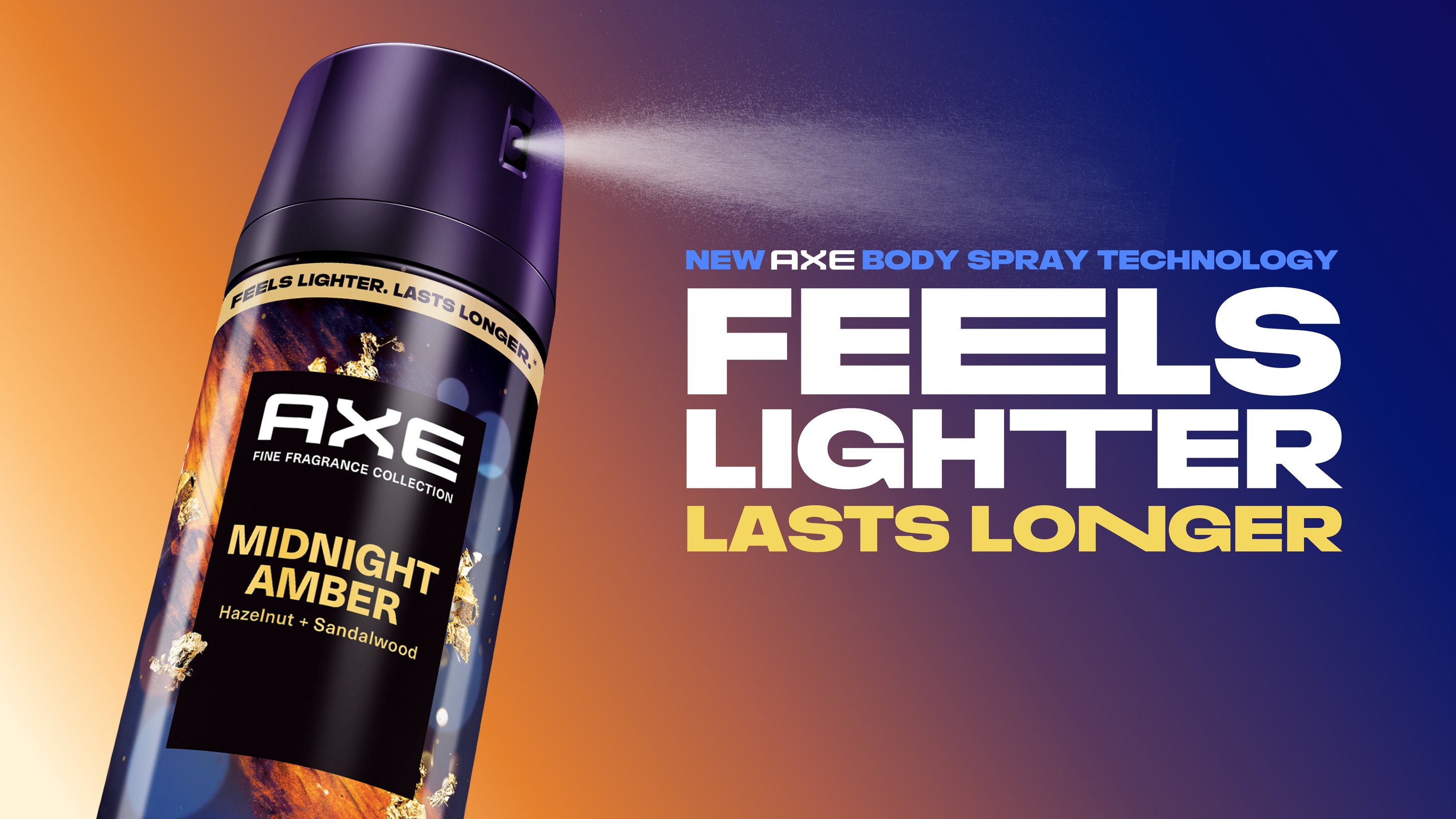
AXE Dark Temptation Body Spray has a rich chocolate and amber scent. Good for a quick refresh between classes or heading out after school.
A clean baseline in the morning means less odor to manage later. After sports or the gym, a second shower makes a difference. An odor-fighting scented body wash works better than basic soap.
Bacteria thrive in sweat-saturated fabric. Sports kit and gym clothes should go into the laundry, not back on the next day.
Sweat production is lowest at night. Applying antiperspirant to clean, dry skin before bed gives active ingredients time to work properly. Protection carries into the next day.
Foot odor often develops alongside underarm odor during puberty. Wearing clean socks daily, breathable shoes, and airing out footwear after wearing all help.
Eating garlic, onions, and spicy foods can intensify body odor. Not a reason to avoid them entirely. Just something worth knowing.
If your teen is dealing with heavy sweating that seems beyond normal puberty changes, it's worth speaking to a doctor. There are effective options available to help manage it.
For most teen boys, a 48-hour antiperspirant is a good choice. AXE Apollo Antiperspirant Stick provides long-lasting sweat and odor protection.
Three things done consistently: daily shower with an odor-fighting body wash, antiperspirant ideally applied the night before, and a fresh shirt after sweating.
Antiperspirant reduces sweat at the source while deodorant controls odor and adds scent. For active teens dealing with school, sports, and everything in between, an antiperspirant is a good choice.
It depends on the situation and preferences. An antiperspirant stick works well for everyday school use and sports practice. An antiperspirant spray is an alternative format with a different feel that’s just as effective. Pairing a 48-hour antiperspirant with a matching body spray from the same scent family is an all-round setup.
Yes, and it's completely normal. During puberty, apocrine sweat glands become active.1 These glands produce a thicker sweat that bacteria break down into body odor.
A 48-hour antiperspirant stick with aluminum-based active ingredients applied the night before. It gives active ingredients time to work while sweat production is naturally lower, delivering stronger protection through the school day or sports practice.
Body odor during puberty is normal, predictable, and manageable. It's just biology doing its thing on a new schedule.
The right deodorant for teen boys can be as easy as a solid antiperspirant stick applied the night before, a body wash that clears the bacterial baseline, and a body spray for between-class freshness.
For parents, the conversation doesn't have to be awkward either. Frame it as a practical upgrade, not a problem. Because that's exactly what it is.
Related Products
RELATED ARTICLES