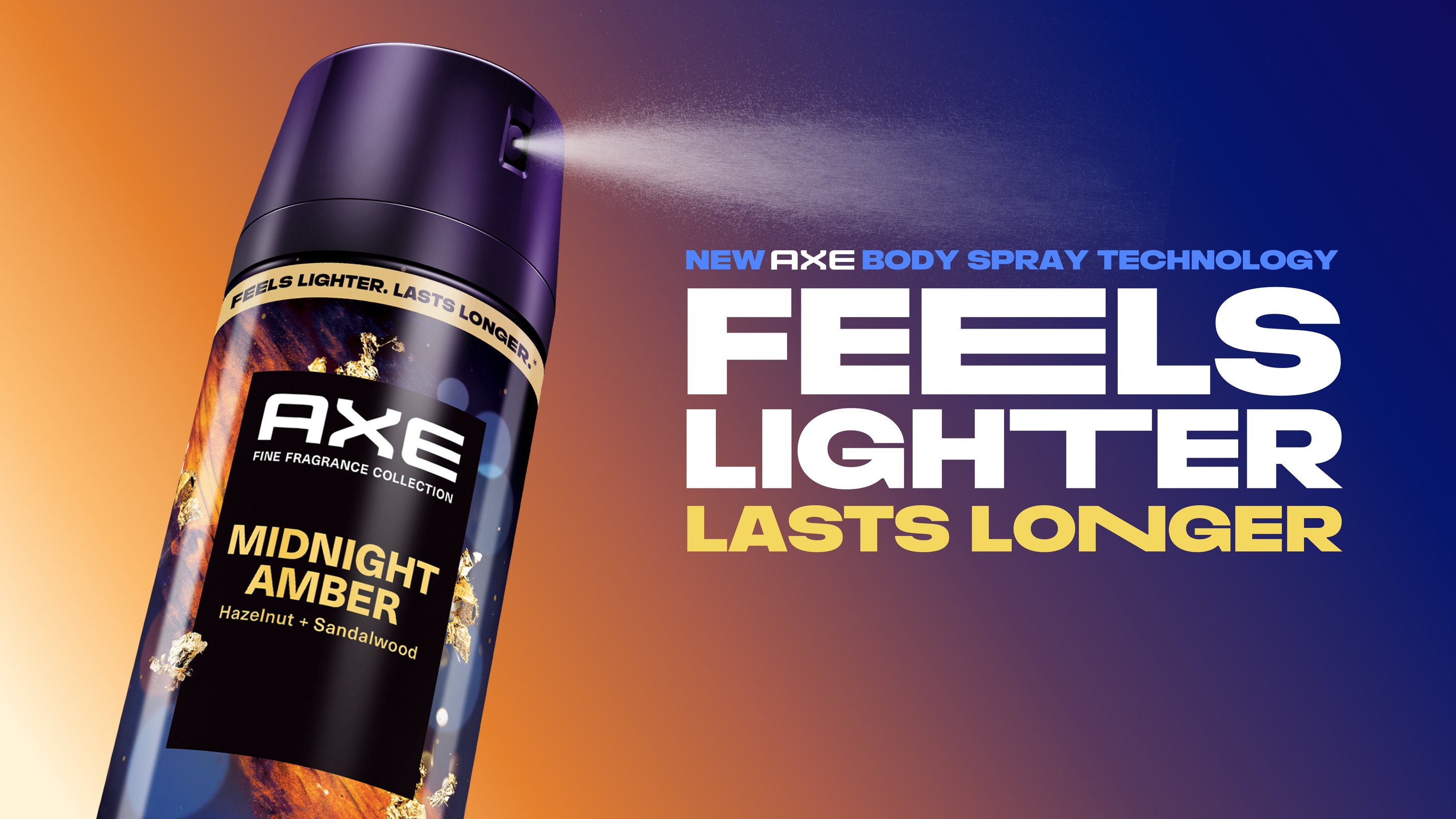
SAVE ON THE AXE FINE FRAGRANCE
COLLECTION
Join our Community and Discover the Axe Effect

Join our Community and Discover the Axe Effect
Save by signing up to receive communications from Axe and other Unilever Brands about exclusive offers, product updates, and more! By signing up, you agree to our Sign-Up and Save Policy and our Privacy Notice.
Navigating the deodorant aisle can feel like a quest worthy of a blockbuster movie. Between the shelves of options and the many opinions floating around, it's easy to get lost. Let’s clear the air (and your underarms) by breaking down what antiperspirants actually do, what’s fact, what’s a myth and what’s just internet noise.
First things first: antiperspirants and deodorants aren’t interchangeable twins.
Antiperspirants reduce sweat. They use aluminum compounds to help limit sweat at the source, which helps keep underarms dry.
Deodorants don’t stop sweat. Instead, they target the bacteria that cause odor. So sweat can happen, but the funk doesn’t have to.
Antiperspirants = sweat control. Deodorants = odor control. Different tools, different outcomes.
Short answer: no.
Aluminum is the MVP ingredient in antiperspirants because it helps keep sweat in check. Yes, a lot of online speculation has linked aluminum to health issues, but here’s the real tea... There’s no conclusive scientific evidence proving aluminum in antiperspirants is harmful.1 The FDA has reviewed and approved aluminum-based antiperspirants as safe to use.
Another popular myth is that antiperspirants clog your pores. Not true. They target sweat ducts, not pores, so your skin still does what it’s meant to do.
That said, skin isn’t one-size-fits-all. If you’ve had to deal with irritation or an allergic reaction to deodorant or antiperspirant, switching formulas can help. Some people prefer aluminum-free options that focus on odor control without the sweat-limiting part.
Most people can use antiperspirants without issues. But if you’ve experienced redness, itching, or an allergic reaction to deodorant or antiperspirant, your skin might be sensitive to certain ingredients. In that case, switching to a sensitive skin or aluminum-free formula can help.
There’s no solid evidence linking antiperspirants to serious health problems. Aluminum-based antiperspirants are FDA-approved and considered safe for daily use.
Neither is “unsafe.” It comes down to what your body needs. If sweat is your main concern, antiperspirant makes sense. If odor control is the goal, deodorant gets the job done.
No. They’re designed to help manage sweat without blocking pores, allowing your skin to do what it naturally does.
Aluminum-free deodorants don’t stop sweat. They target odor by limiting odor-causing bacteria and using fragrance to keep things fresh. AXE aluminum-free sticks and sprays use ingredients that help keep you fresh while letting your body sweat naturally.
Antiperspirants reduce sweat but don’t stop it completely. So some sweating is normal. Everyone also sweats differently depending on genetics, activity, stress, or hormones. Because of these differences, antiperspirants may reduce sweat effectively for some, while others will experience sweating, especially during intense exercise or hot weather.
Application timing actually matters. Applying antiperspirant at night gives the formula time to work while your sweat glands are less active.
Apply to clean, dry underarms. Don’t overdo it―two to three swipes are enough. Let the antiperspirant dry before getting dressed to prevent residue on your clothes.
They can, especially if overapplied or layered with sweat. Let your antiperspirant dry fully and avoid piling on extra product to keep white tees looking fresh.
Applying antiperspirant to clean skin before a workout gives it a better shot at controlling sweat while you exercise.
Yes. Some people layer. Antiperspirant at night for sweat control, deodorant in the morning for scent.
Antiperspirants aren’t the villains they’re sometimes made out to be. Scientifically proven and approved for daily use, they effectively control sweat. Deodorants focus on odor, while aluminum-free options cater to sensitive skin. The real win is knowing what your body needs and choosing the product that keeps you feeling confident, dry, and fresh all day long.
1. National Library of Medicine. Is Antiperspirant Safe? 2023.
Related Products
RELATED ARTICLES