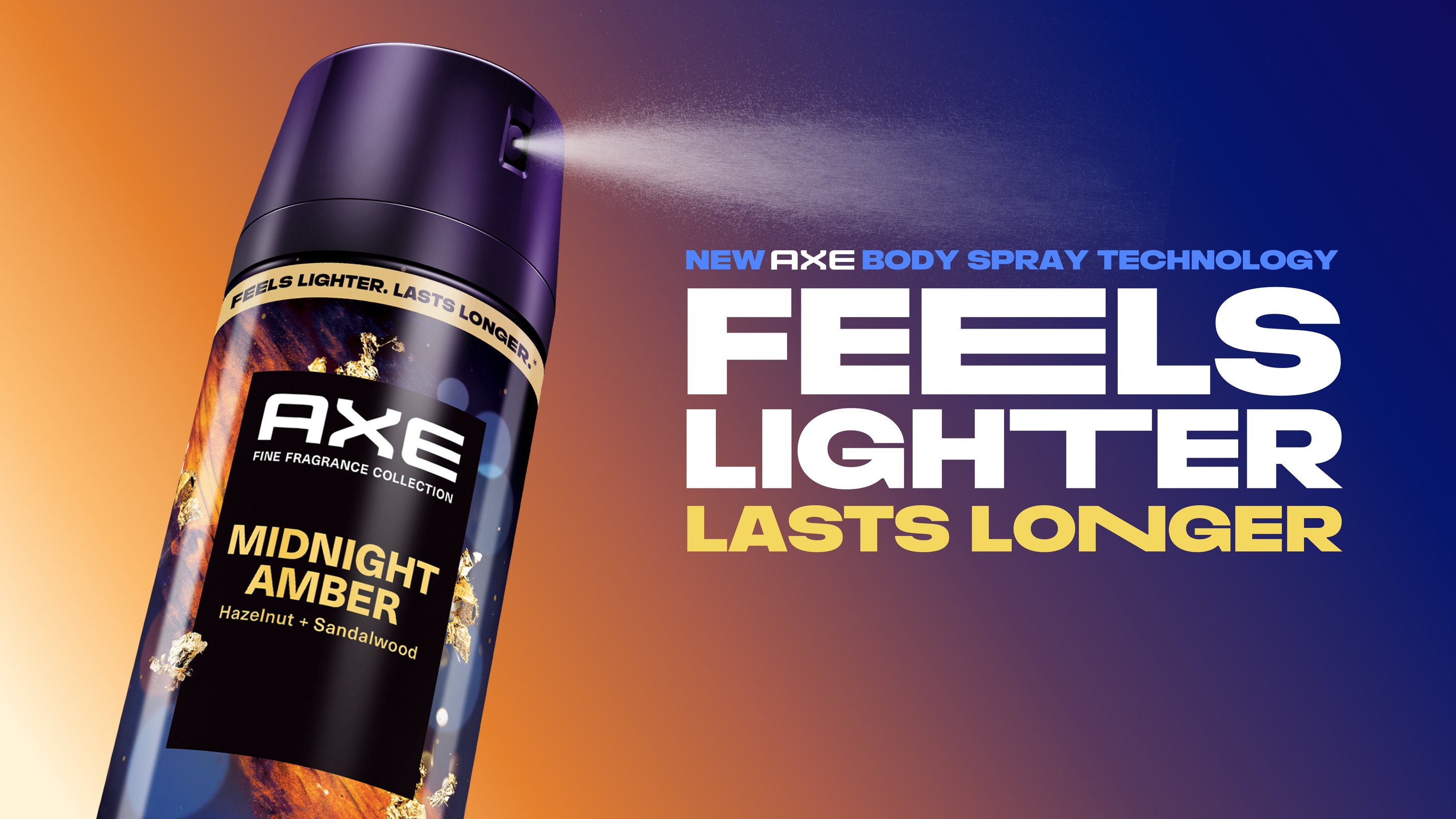
SAVE ON THE AXE FINE FRAGRANCE
COLLECTION
Join our Community and Discover the Axe Effect

Join our Community and Discover the Axe Effect
Save by signing up to receive communications from Axe and other Unilever Brands about exclusive offers, product updates, and more! By signing up, you agree to our Sign-Up and Save Policy and our Privacy Notice.
Antiperspirants are your ride-or-die for freshness, but occasionally they can flip the script and hit you with some unexpected side effects. If you find your deo acting up, leaving your armpits itchy and burning, you might just be facing an antiperspirant allergy. Don't sweat it; we've got your back with an AXE-tion plan to tackle those reactions like a pro.
Wondering, “Can you be allergic to deodorant… or is your skin just being dramatic?” Fair question. Here’s how to tell the difference.
If you’re experiencing a deodorant allergic reaction, it usually shows up as one or more of the following:
These are the classic symptoms, especially if they show up repeatedly after using the same product.
Fragrance sensitivity is one of the most common triggers of a deodorant allergic reaction. Natural or synthetic, both can irritate sensitive skin.
Aluminum compounds block sweat glands. For some people, that skin-sweat combo can trigger an antiperspirant allergy, especially with frequent use.
Preservatives keep products shelf-stable, but they’re also skin irritants for some users.
Often found in sprays and roll-ons, alcohol can dry out the skin, weaken the skin barrier, and cause a reaction.
If your deodorant suddenly feels like it’s turned against you, there’s usually more going on beneath the surface. Underarm skin is delicate, reactive, and constantly exposed to sweat, friction, and product buildup, which makes it one of the most common places for reactions to show up.
Not all reactions are created equal.
Irritation is typically a surface-level response caused by friction, shaving, sweat, or harsh formulas. It’s uncomfortable but often short-lived.
An allergy, on the other hand, involves your immune system. When it flags a deodorant ingredient as a threat, inflammation kicks in fast, and symptoms tend to return every time you use that product. If the reaction feels intense, persistent, or increasingly uncomfortable, an allergy is more likely than simple irritation.
It’s frustrating, but totally possible to react to a deodorant you’ve used for years. Over time, your skin barrier can weaken due to factors like frequent shaving, over-cleansing, or exposure to drying ingredients. When that protective layer is compromised, ingredients that never bothered you before can suddenly trigger a reaction. Changes in your underarm microbiome (the balance of bacteria on your skin) can also play a role, making your skin more sensitive than usual.
Your underarms are a perfect storm for flare-ups: warm, damp, and constantly moving. Sweat increases ingredient absorption, while friction from clothing or repetitive arm movements can irritate already-sensitive skin. Shaving adds another layer of vulnerability by creating micro-cuts that allow irritants to penetrate more easily. When all these factors stack up, even mild sensitivities can escalate into full-blown reactions.
This one’s non-negotiable. Continuing to use it will only make things worse.
Wash gently with mild soap and lukewarm water. Skip scrubs or using anything scented.
If you’re reacting to antiperspirant, an aluminum-free deodorant or sensitive skin option can help give your skin a break.
If symptoms don’t improve, they worsen, or you get blisters or open sores, it’s time for professional advice.
Yes, some people can be allergic to certain ingredients used in antiperspirants, while for others it’s only an irritation caused by friction or harsh formulas.
If redness, itching, or burning keep coming back with the same product, it’s likely an allergy.
Fragrance and aluminum salts are common triggers.
Mild reactions can improve within a few days once you stop using the product.
Yes. Burning or itching is your skin asking for a break—listen to it.
Try an aluminum-free deodorant or look for formulas designed for sensitive skin.
Dealing with an antiperspirant allergy can be uncomfortable, frustrating, and confusing, especially when a product you trusted suddenly stops working for your skin. The good news? Once you understand the difference between irritation and an allergic reaction, know which ingredients can trigger flare-ups, and recognize how sweat, friction, and shaving play a role, it becomes much easier to manage. Pay attention to your underarms, switch products thoughtfully, and choose formulas that work with your skin—not against it.
Related Products
RELATED ARTICLES