SAVE ON THE AXE FINE FRAGRANCE
COLLECTION
Join our Community and Discover the Axe Effect

Join our Community and Discover the Axe Effect
Save by signing up to receive communications from Axe and other Unilever Brands about exclusive offers, product updates, and more! By signing up, you agree to our Sign-Up and Save Policy and our Privacy Notice.
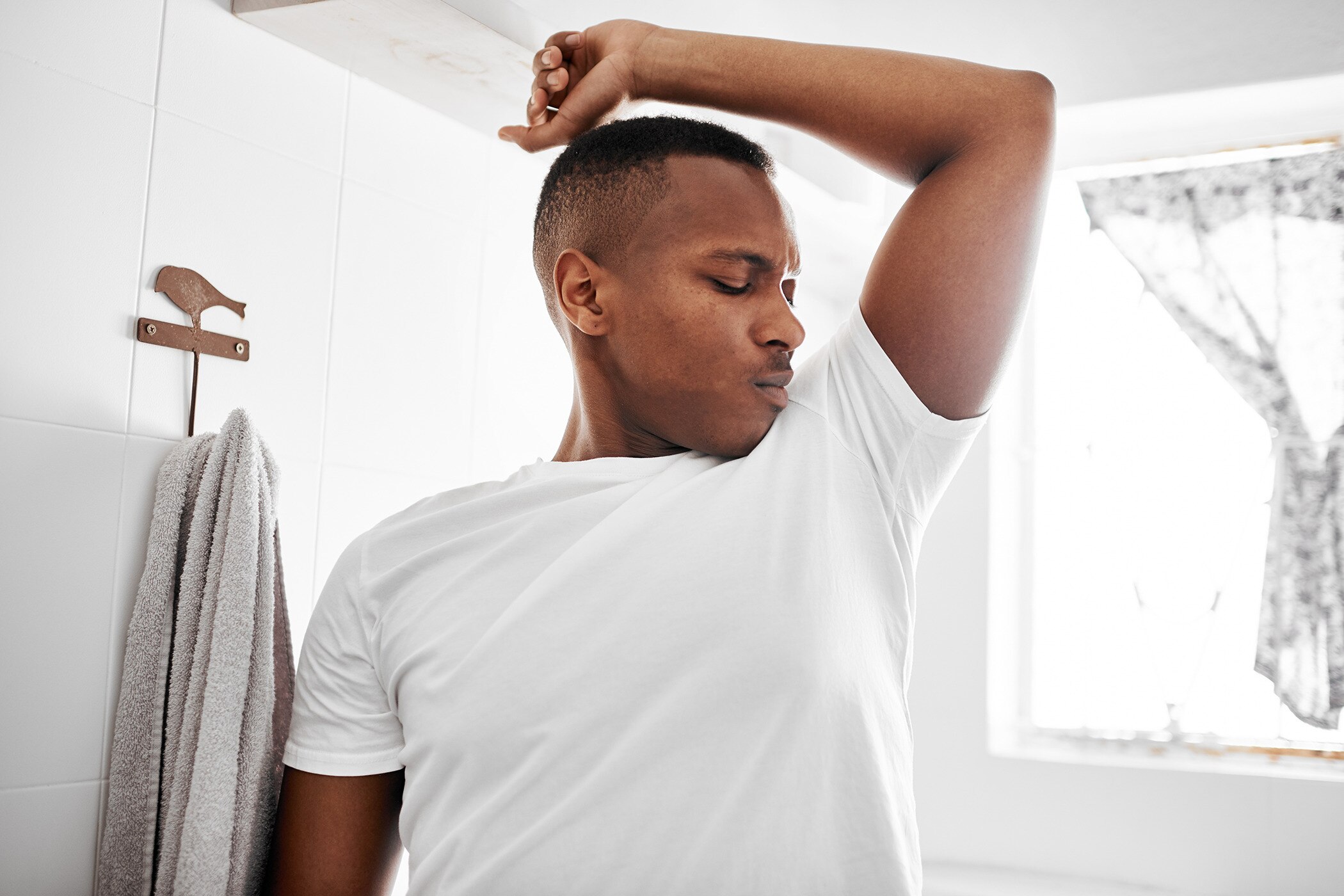
You've been sitting at your desk all morning. The AC is on, you haven't moved much, and somehow you catch a whiff of yourself. No workout. No heat. So what gives?
Body odor without sweating is actually common and has nothing to do with cleanliness. Bacteria on your skin break down sweat residue, oils, and dead skin cells into odor-causing molecules. That process keeps going even when you're not actively sweating. Here's what's actually going on and what you can do about it.
Fresh sweat is nearly odorless. The smell develops when bacteria on your skin break down what sweat leaves behind. Those bacteria don't stop working between sweat sessions.
Even when you're not visibly damp, your skin keeps producing moisture, oils, and dead skin cells that feed the same odor-producing bacteria. Residual sweat from your commute or a warm patch from hours ago can still be sitting on your skin or shirt. The bacteria keep working on it long after active sweating stops. So armpits smell without sweating not because of poor hygiene. It's bacteria doing what bacteria do.
“Sweat is primarily made up of water and salt, which means it doesn’t really have any odor when it’s first released,” explains Unilever R&D Manager David Waters. “Body odor develops when the natural bacteria on your skin break down certain parts of sweat. This is especially true for apocrine glands, found in places like your underarms and groin, which produce a thicker sweat rich in proteins and fats. Certain skin bacteria thrive on these substances, and as they break them down, a stronger odor is created.”
So sweat is just the starting point. Bacteria do the rest.
You probably wonder what foods cause body odor, and garlic and onions are some of the main culprits. They release sulfur-based molecules through your skin long after your meal. Red meat slows digestion and increases bacterial activity, while alcohol is partly metabolized through the skin. If odor is a recurring issue on low-activity days, your diet is the first thing worth looking at.
Can stress cause body odor? Yes, and it doesn't need a workout to trigger it. Stress activates apocrine glands continuously, producing small ongoing amounts of protein-rich sweat that bacteria break down exactly as they would post-gym sweat. The result is real: odor with no physical activity to explain it.
Puberty and other hormonal shifts change apocrine chemistry. The same bacteria can produce stronger odors when the sweat they're feeding on is different.
Hard water leaves calcium and magnesium residue on skin after showering. This shifts skin pH and creates a more favorable environment for odor-producing bacteria. It's a legitimate and underrated factor if you live in a hard-water area and shower regularly but B.O. persists.
Body hair traps sweat, oils, dead skin cells, and bacteria close to the skin. More surface area for bacterial activity, less airflow for evaporation. So does body hair cause odor? Not directly. What it holds onto does.
Some guys have a higher concentration of odor-producing bacteria on their skin. This is partly genetic. It can also be disrupted by overusing antibacterial soaps or frequent antibiotic courses, which wipe out the good bacteria that compete with the odor-producing ones.
Synthetic fabrics hold bacterial residue more stubbornly than cotton. Set-in odor can persist through a wash cycle, meaning the shirt is contributing to the smell right now regardless of when it was last washed.
Body odor comes from bacteria on your skin breaking down sweat, skin oils, and dead skin cells. The bacteria stay active even when you're not visibly sweating. Diet, stress, hormones, and hard water can all increase odor without a drop of sweat.
The main culprits: garlic, onions, red meat, and alcohol in your diet. Stress. Hormonal shifts. Hard water mineral residue. Body hair trapping bacteria. Synthetic clothing holding odor compounds. When several of these stack up at once, the effect multiplies.
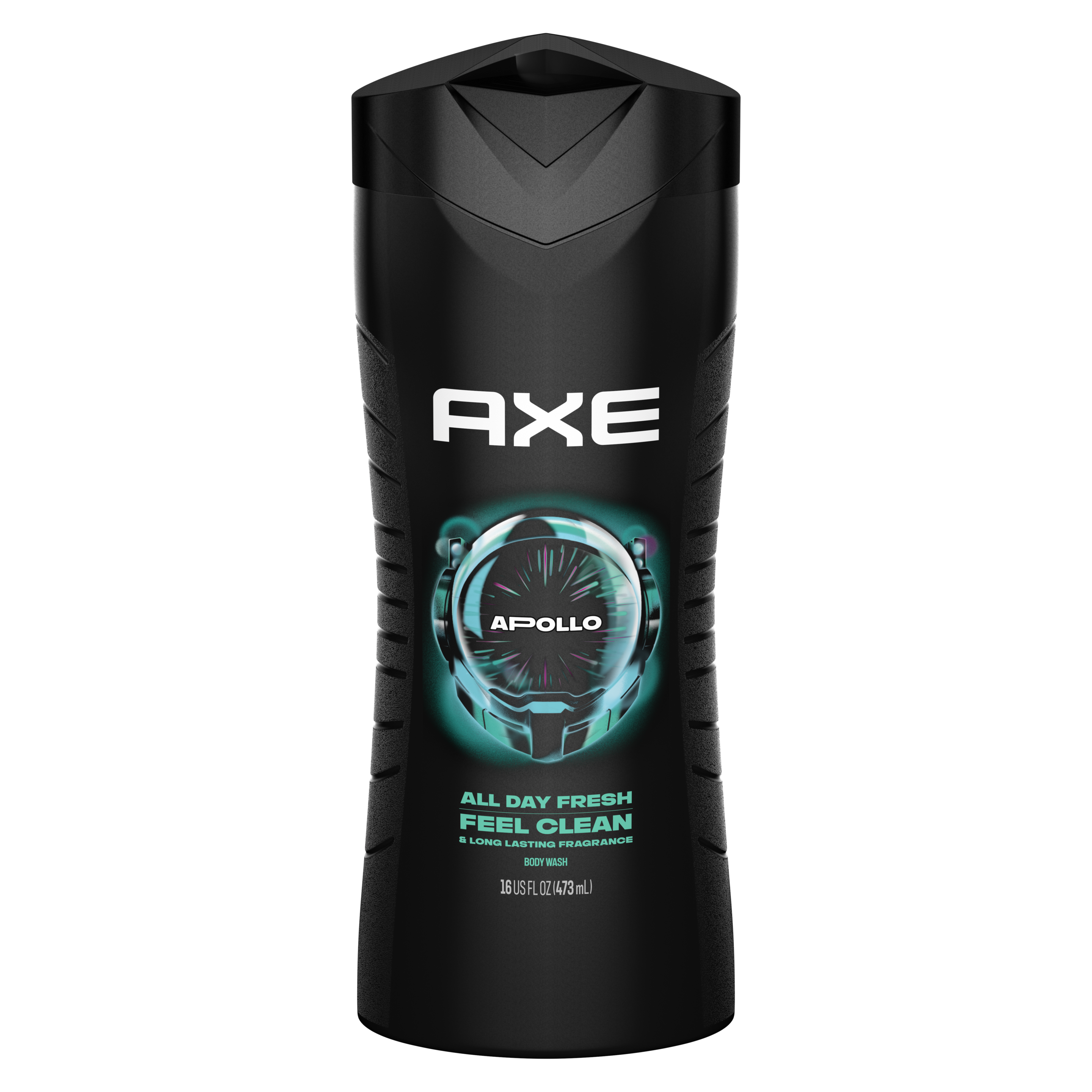
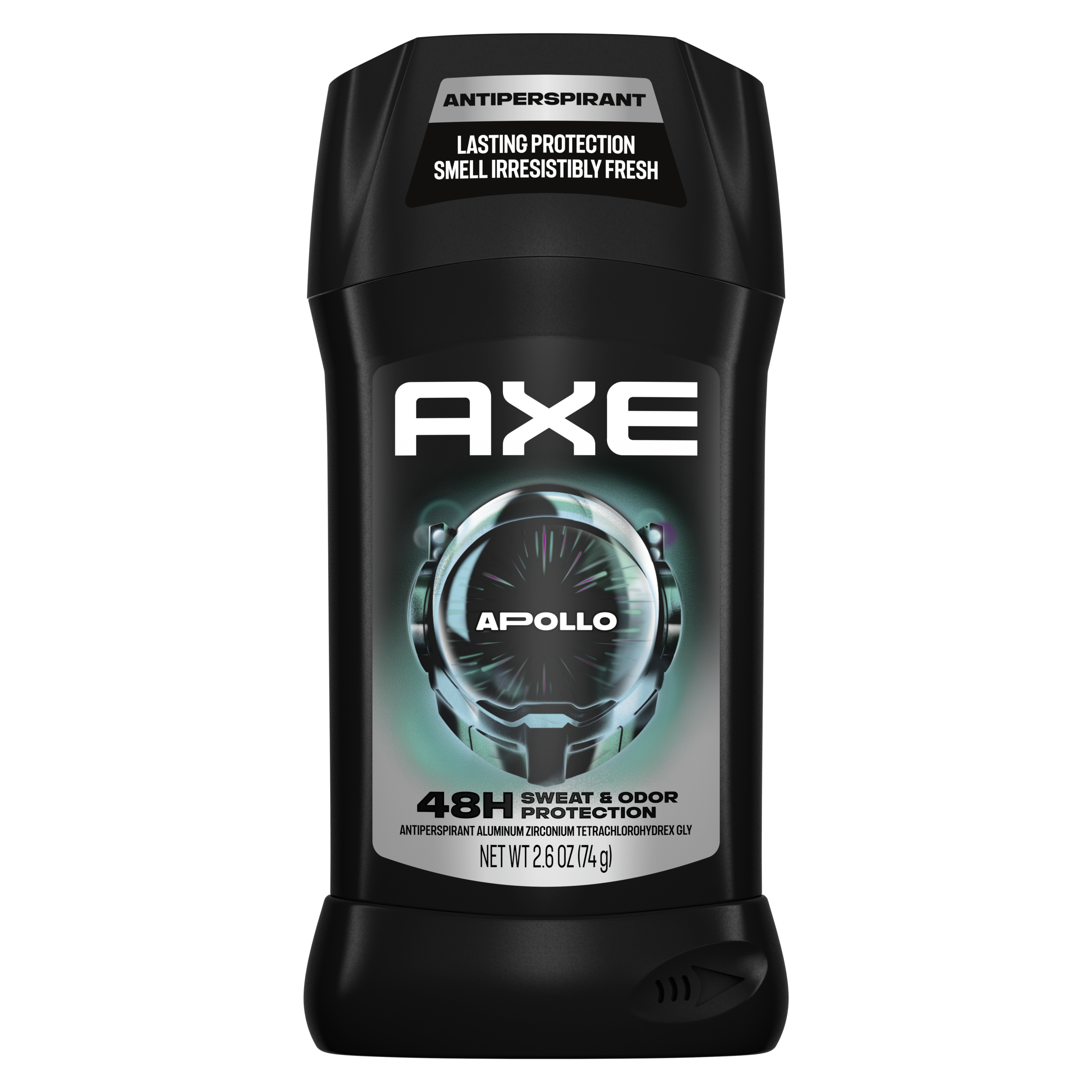
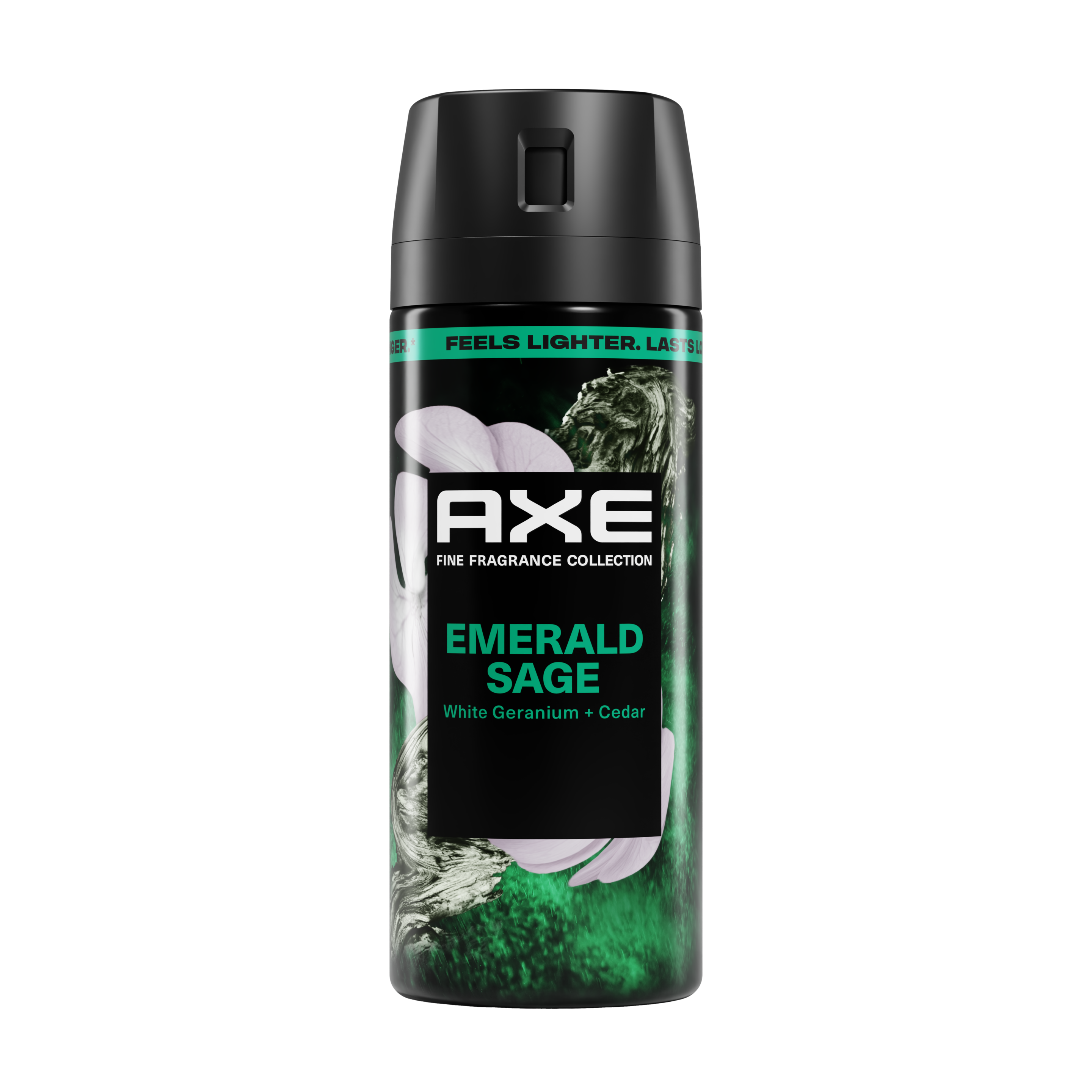
Apply antiperspirant the night before for the strongest base. Shower in the morning with an odor-fighting body wash. Carry a travel-size body spray for a midday refresh. Wash synthetic shirts after every wear.
See a dermatologist or your doctor if body odor changes suddenly and significantly, has a distinctly fishy smell (this can indicate a condition developing), or simply won't shift despite a consistent hygiene routine. Conditions like diabetes, thyroid issues, and bromhidrosis can affect body odor but they can also be addressed.
The days when you think you haven't done anything to cause B.O. are often the days your skin is working hardest behind the scenes. Bacteria don't clock off just because you did.
Understanding what's driving odor when you’re not sweating changes things, and many causes are manageable, once you know they're in play.
Related Products
RELATED ARTICLES