SAVE ON THE AXE FINE FRAGRANCE
COLLECTION
Join our Community and Discover the Axe Effect

Join our Community and Discover the Axe Effect
Save by signing up to receive communications from Axe and other Unilever Brands about exclusive offers, product updates, and more! By signing up, you agree to our Sign-Up and Save Policy and our Privacy Notice.
The look is perfect at 7 p.m. and it's only 55 degrees outside. But 10 minutes into wearing your Halloween costume and you're already sweating. A lot. By 10 p.m., you're hunting for a bathroom to assess the damage.
Knowing how to stay fresh in a Halloween costume starts with understanding why costumes turn into a sauna in the first place. It comes down to a simple chain: synthetic fabrics, layers, and zero airflow trap body heat. Find out why Halloween costume sweat happens and how to fix it.
Most costumes are polyester, nylon, or vinyl, and they’re designed for affordability and durability, not airflow, giving bacteria exactly what they need to get to work. Vinyl, latex, and PVC are the worst offenders. Zero breathability, full barrier against evaporation. Expect more sweat and stronger odor in a full vinyl or latex costume.
"Clothing doesn't just absorb sweat; it changes the climate sitting on top of your skin, which directly determines how much your body sweats," says Unilever R&D scientist Matt Annecharico. "Breathable fabrics and natural fibers allow for more evaporation, while clothing that’s synthetic and fits tightly doesn’t allow for as much evaporation, which means more sweat can occur."
Cotton-based costumes breathe better and are a more comfortable call for Halloween party freshness. But they also show those wet patches more.
A costume usually also means more layers than you'd normally wear. Undershirt, costume piece, accessories, cape or robe on top. Each layer adds heaviness and reduces the chance of sweat evaporating.
Your head and face release a significant share of body heat. Block them with a hat, mask, or headpiece, and your core temperature rises, triggering sweat production across your whole body.
Wigs also trap heat and hold onto bacterial buildup faster than real hair while masks limit airflow around your face and neck. A few minutes of breathing into one creates warm, damp conditions where bacteria get busy fast.
Body heat from 30 other people in a small space seriously raises the room temperature. Add dancing and drinks, and your body is working harder than it would be standing in your living room.
The anticipation and social energy of Halloween fire up your apocrine glands to release stress sweat. This is on top of your eccrine glands already doing the cooling down work. Apocrine sweat contains proteins and fats that bacteria break down, and this is what causes a stronger odor.
Halloween costume sweat isn't just about heat. It's two types of sweat hitting at once.
The work happens before the costume goes on. Here's how to set yourself up, so the fabric, the heat, and the crowd don't win.
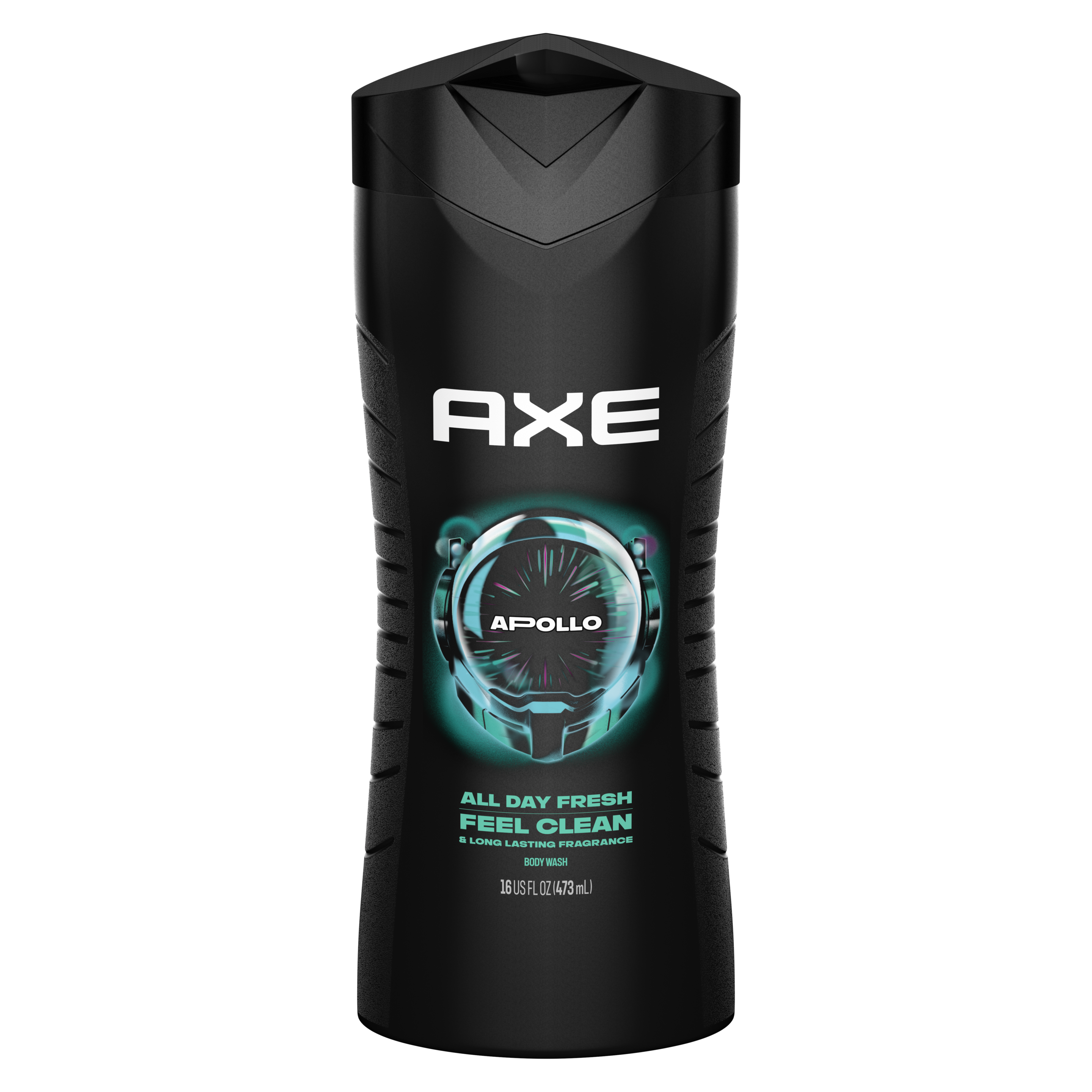
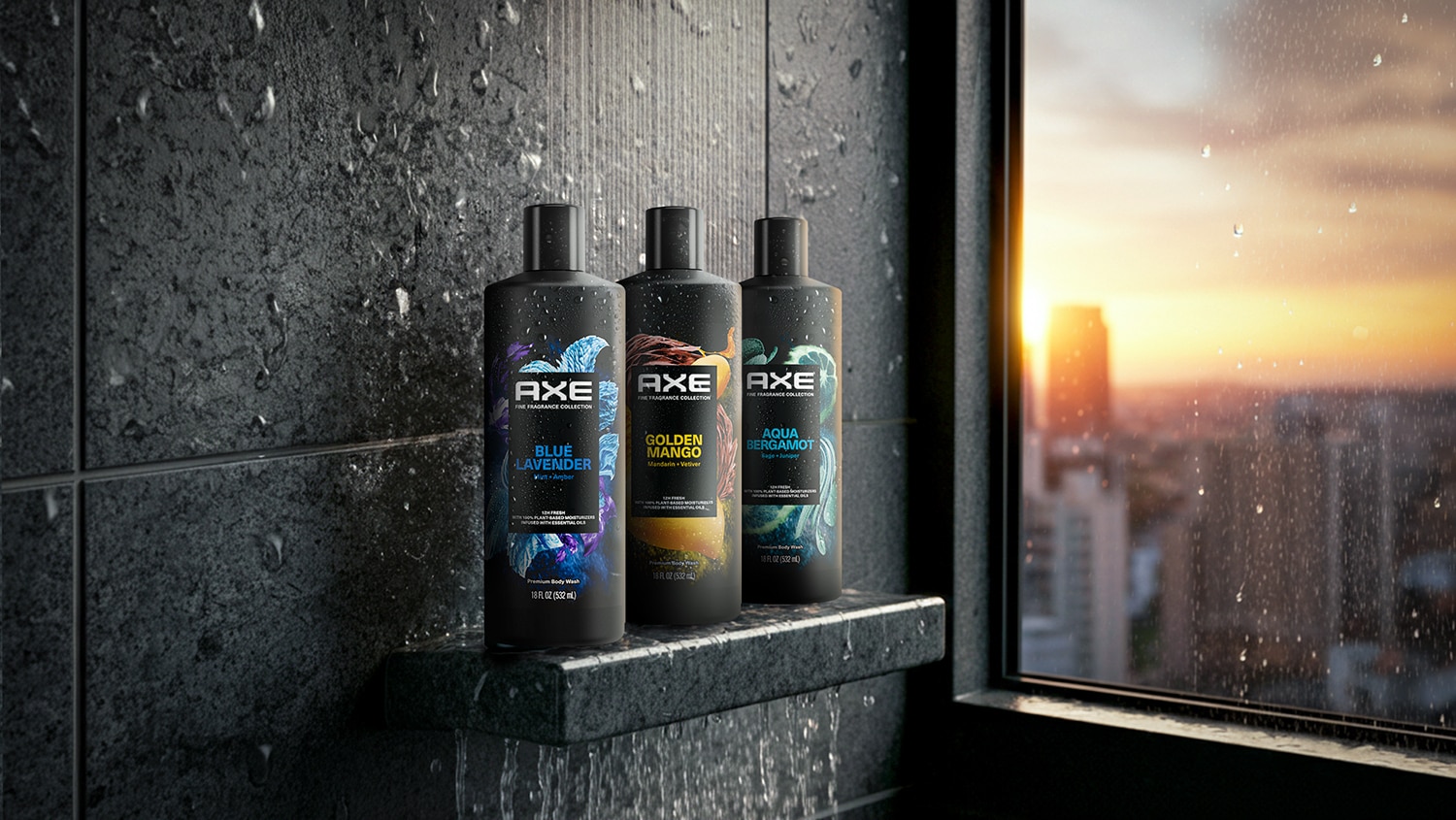
Bacteria turn sweat into odor. Start clean and there's less for them to work with. A body wash with odor-busting ingredients is more effective than regular soap, especially before a long event in a costume.
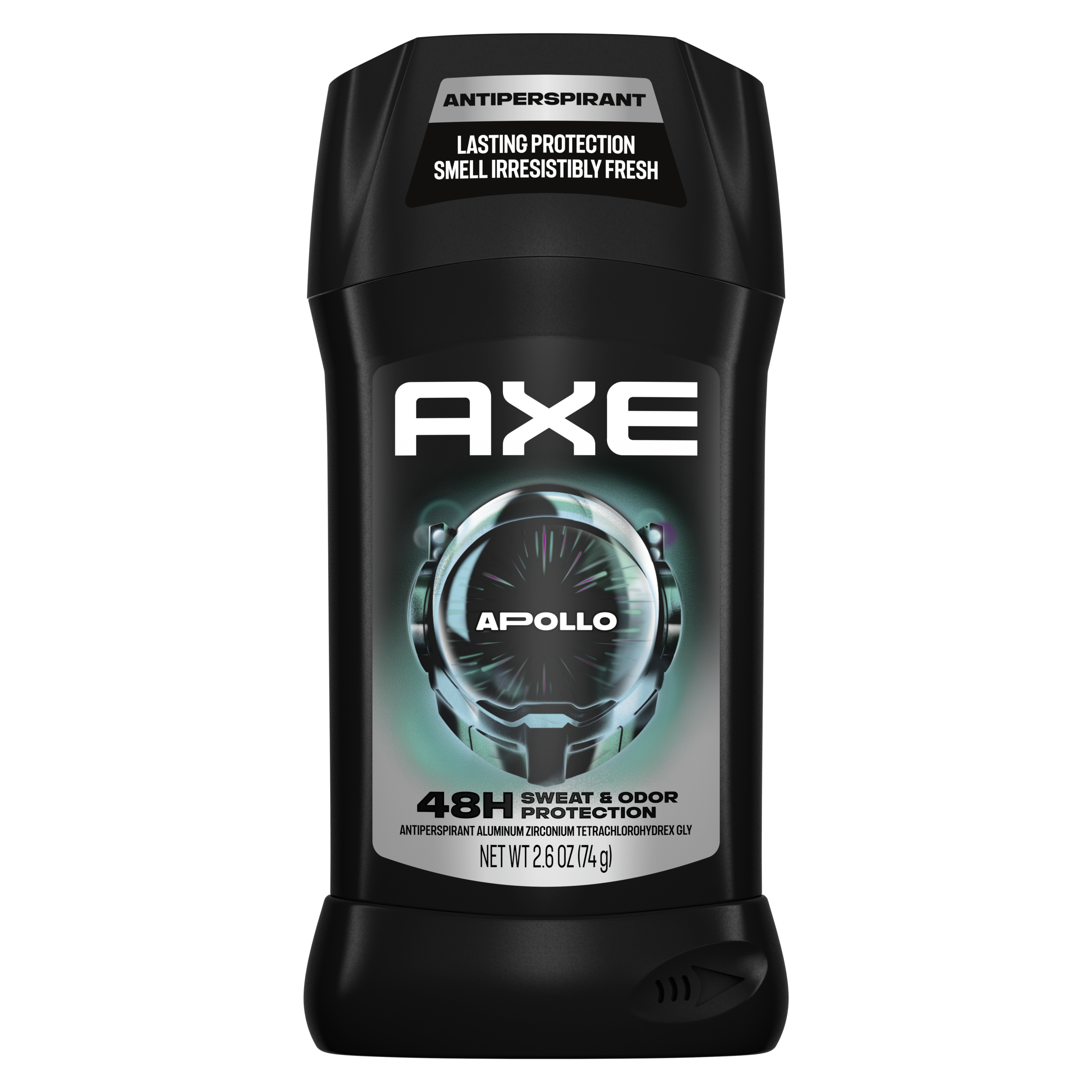
Aluminum-based active ingredients in antiperspirant need time to work properly. Applying your product the night before to clean, dry skin keeps protection going through the next day.
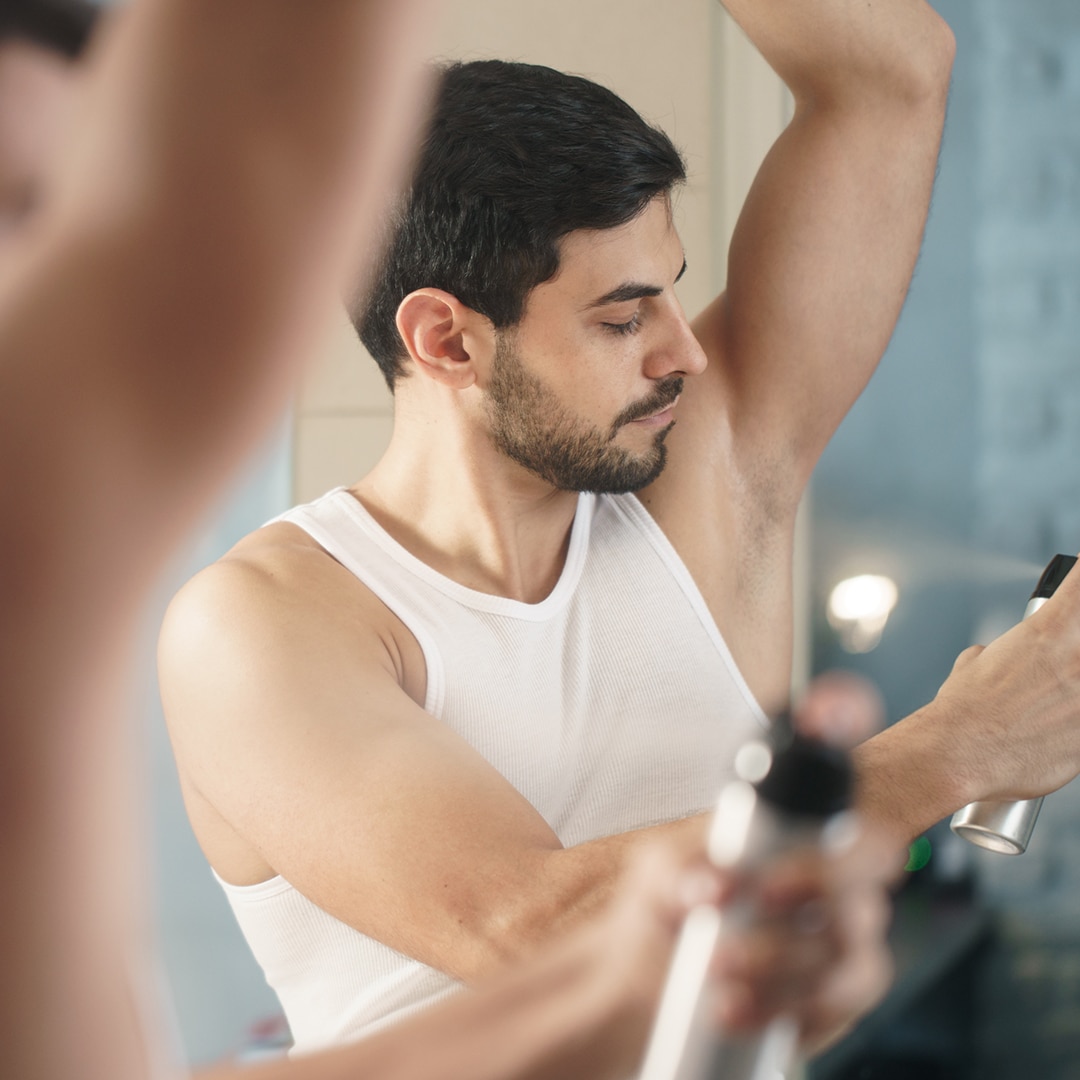
Antiperspirant on damp skin won't work properly. Towel dry your pits well before applying and give it 60 seconds to set before the first costume layer goes on.
Body wash, antiperspirant, and a spritz of body spray from the same scent family reinforce fragrance through the night. In a costume that traps odor, your scent needs all the help it can get.
Antiperspirant and deodorant are different products with different jobs. Under a heavy or restrictive costume, this matters more than usual.
Antiperspirant is the right base. It reduces sweat reaching the skin, which means less moisture trapped all night, less bacterial activity, and less odor. For full-coverage costumes with limited airflow, this is where you start.
Deodorant alone won't cut it. It controls odor but doesn't stop sweat. In a costume that traps moisture, the sweat itself becomes the problem.
The move: antiperspirant base the night before and body spray during the night for scent refresh without needing a costume change.
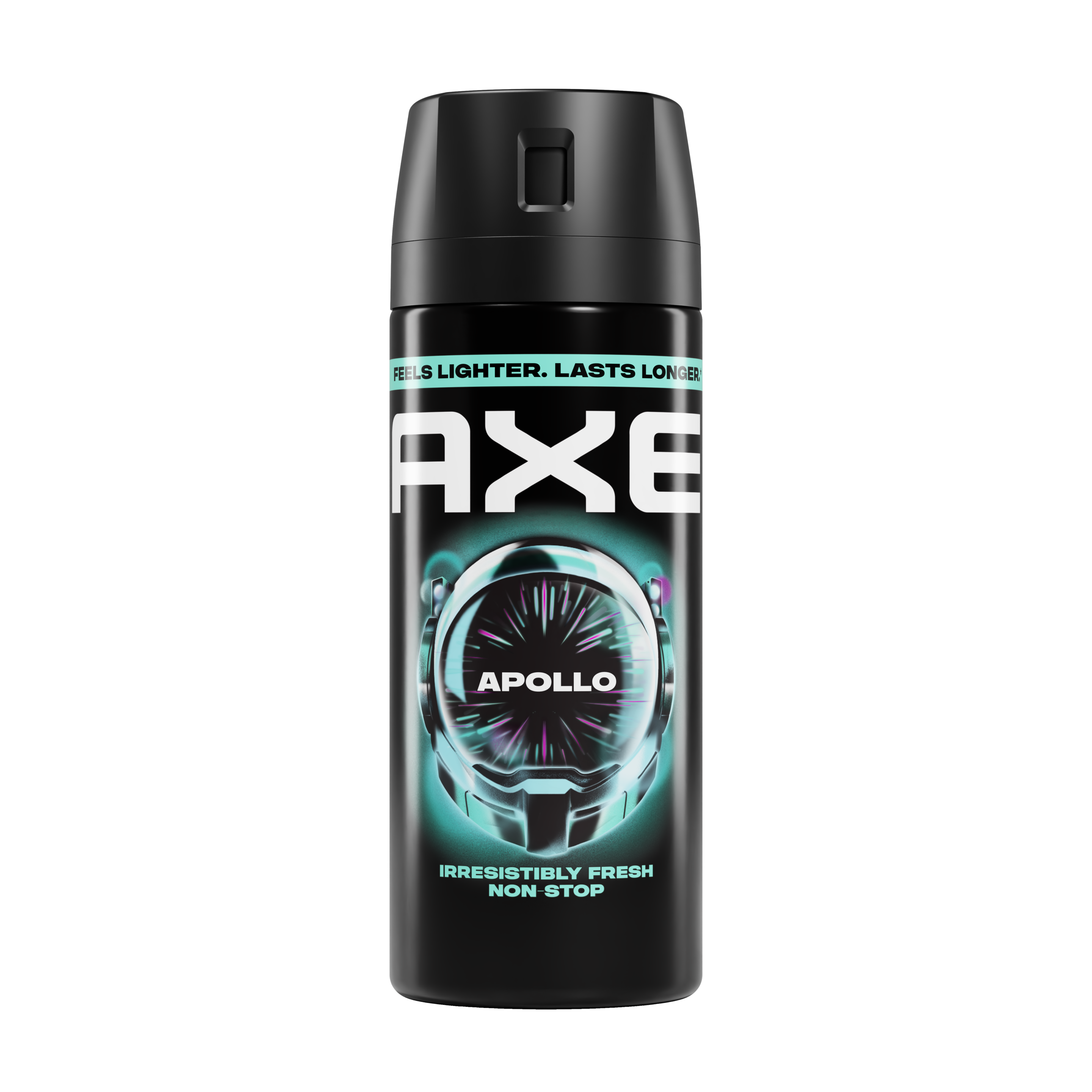
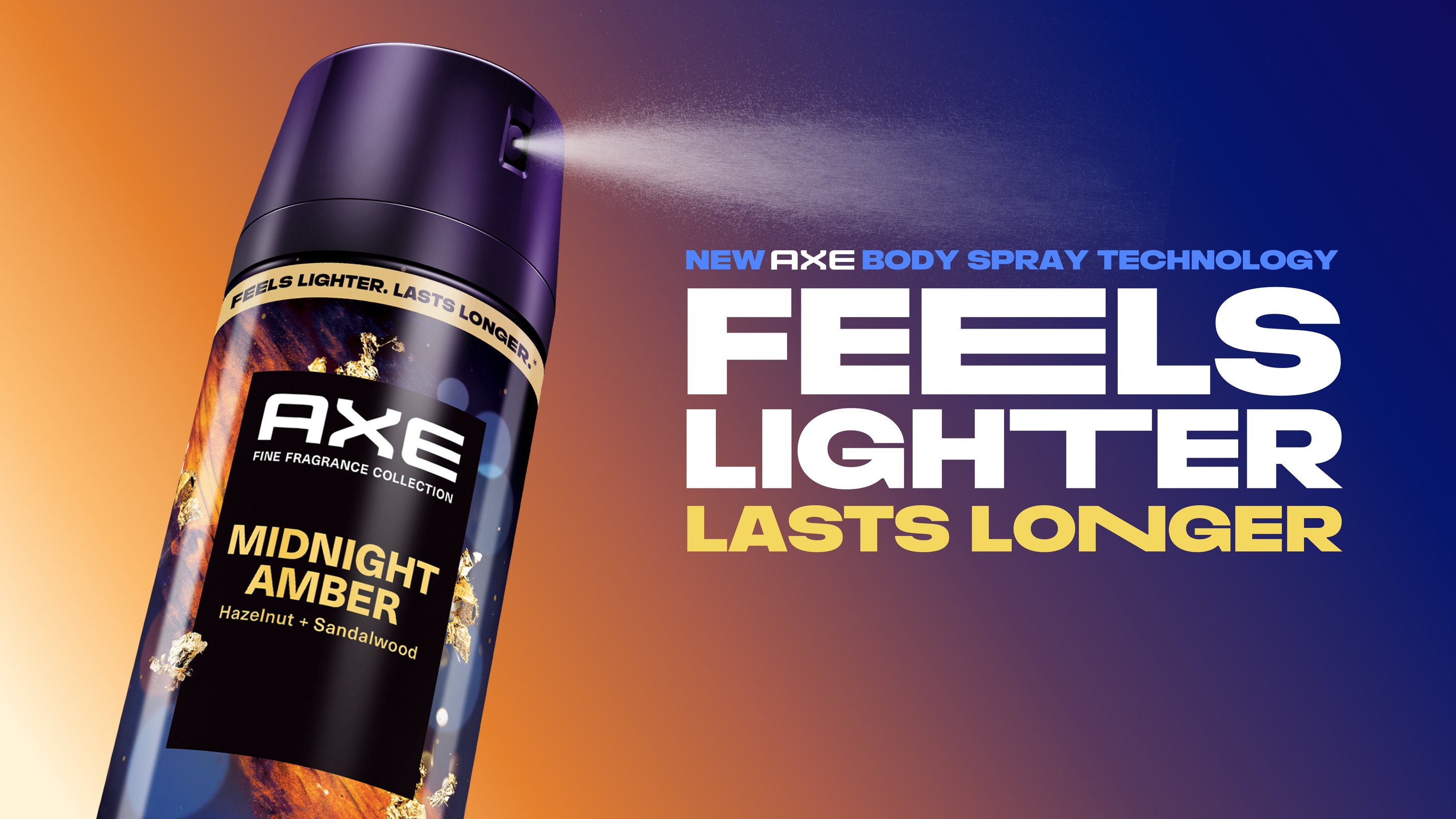
Your most useful Halloween night accessory. A quick spritz to the neck and wrists refreshes scent without disturbing the costume or makeup. Fits in a pocket or small bag.
A quick wipe of your pits plus a body spray refresh is a 30-second reset that buys you the next few hours. Don't reapply antiperspirant over sweat. It won't bond and you'll get residue on the fabric.
Between events, trick-or-treating or before the afterparty, shed a layer or step outside for five minutes of cool air. Your body resets and the next phase starts fresher.
Alcohol increases sweat. Pacing with water keeps you cooler inside the costume and reduces sweat output throughout the night.
Spicy food, garlic, and onions make body odor worse. Save the feast for after.
Scent is a powerful thing, hitting the part of your brain that handles emotion and memory even before you’re aware of it. Research also shows that wearing a scent you like boosts your mood and confidence. Useful when you're about to walk into a packed party in a hairy monster suit.
The people around you also pick up on your scent, even when they don't consciously register it. So it makes sense to choose one that fits.
A signature scent gives you something consistent when everything else is a costume. Layer your body wash, antiperspirant and body spray and this move outlasts any single product on its own.
The night before. Not the morning of. Sweat production drops overnight, which gives aluminum-based active ingredients time to do their thing. Protection carries into the next day, even after your morning shower.
Mix one cup of white vinegar with cold water and pre-soak the costume for 30 minutes, then wash cold with an extra rinse cycle. Skip the fabric softener and air-dry if you can. Vinyl or latex? Check the care label first. Some need spot-cleaning only, and the dryer isn’t their friend.
Yes, if you're not prepared. Sweat breaks down cream-based and powder products fast. Setting spray, oil-control primers, and waterproof formulas hold up much longer. For the rest of your body, night-before antiperspirant means less sweat reaching your costume fabric in the first place.
A 48-hour antiperspirant stick applied the night before. Active ingredients get time to work while your sweat production is naturally lower, and protection carries through a full night of heat, layers, and the dance floor.
Synthetic fabrics trap bacterial buildup deep in the fibers. Standard detergent often can't shift it. Pre-soak in vinegar before washing to break down the residue. Skip the dryer if any smell remains. High heat sets odor into the fabric and then it stays there.
Halloween is one night. The costume is temporary. The memory of being the guy who smelled great in a full latex suit is forever.
Night-before antiperspirant. Odor-fighting body wash. A body spray in your pocket. That's the whole routine. Just a few steps to save you from a 10 p.m. odor emergency when you’re trapped in rubber.
Now go haunt something.
Related Products
RELATED ARTICLES