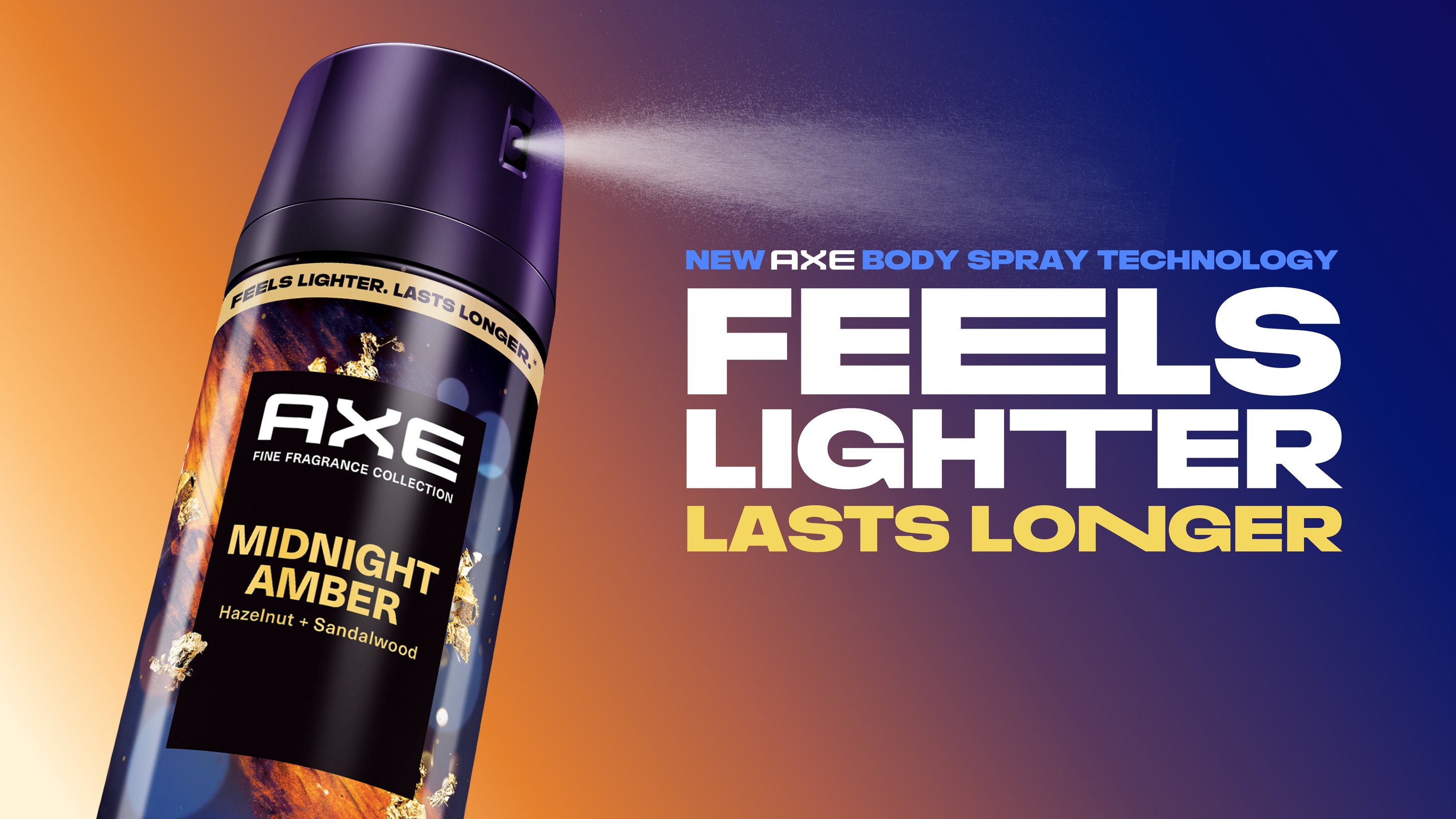
SAVE ON THE AXE FINE FRAGRANCE
COLLECTION
Join our Community and Discover the Axe Effect

Join our Community and Discover the Axe Effect
Save by signing up to receive communications from Axe and other Unilever Brands about exclusive offers, product updates, and more! By signing up, you agree to our Sign-Up and Save Policy and our Privacy Notice.
Summer hits, the sun’s out, and suddenly you’re juggling sweat, sunscreen, and trying not to smell like you’ve lived in a gym bag. You know you should wear SPF, but the combo of sweat and sunscreen can feel messy.
But does sunscreen actually make you sweat more? Kind of. Heavy formulas trap heat against your skin and mix with sweat to create a greasy layer.
Let’s break down how sunscreen actually works, how sweat affects protection, and how to build a routine with sweatproof sunscreen that keeps your skin safe and you feeling fresh.
Sunscreen isn’t just a “beach day” thing. Every time you step outside, UV rays hit your skin. Even if you “never burn,” that damage adds up over time. It shows up as uneven skin tone, rough texture, dark spots, and, more seriously, an increased risk of skin cancer.1
And it’s important to apply it even if the sun’s not out. That’s because most UV rays can penetrate cloud cover, so you can still get burnt on cloudy summer days.2
Sunscreen doesn’t change how your sweat glands work. But it can totally feel like it does. If your sunscreen is thick, greasy, or heavy, it can trap heat against your skin. That makes your face feel hotter and you more aware of sweating.
Oily formulas mix with sweat and create that shiny, slick look that feels gross. It’s not that SPF is turning up your sweat production. It’s that the wrong formula makes sweat more obvious and more annoying.
When you start sweating after applying sunscreen, a few things can happen.
Sweat can dilute the sunscreen on the surface of your skin and make the product run. If you wipe your face with your shirt or a towel, you’re literally wiping off your protection. So your SPF isn’t doing the job you think it is.
That’s why sweat-resistant sunscreen and water-resistant sunscreen exist. They’re built to stay put when you’re running, training, on the beach or just trying to survive a humid day. If your sunscreen isn’t designed to handle sweat, your protection can drop fast.
If you’re active, outside a lot, or just a guy who sweats easily, you need sweatproof sunscreen that’s built for movement and heat.
There are two main types of sunscreens: mineral and chemical. Without getting all sciencey, both types can work, but what matters more is the label. Look for words like “sport,” “active,” “sweatproof sunscreen,” “sweat-resistant sunscreen,” or “water- and sweat-resistant sunscreen.” These formulas are designed to stay put on your skin when you’re moving and sweating.
Now let’s talk about SPF, which stands for sun protection factor. Using SPF 15 on a hot day, with sweat involved, is basically asking to get fried. You want something that can keep up with your lifestyle, not just sit there until the first drop of sweat hits.
If you’re an outdoor type of guy, aim for SPF of at least 30. Make sure it’s “broad-spectrum,” which means it protects against both UVA (aging) and UVB (burning) rays. For active days, look for a higher SPF.
The way you use your sunscreen matters, especially when sweat is in the mix.
Put on sunscreen 15–20 minutes before you go outside. This gives it time to settle and bond with your skin properly.
Use more than you think. For your face and neck, you want roughly a nickel-sized amount. For your body, think about a shot-glass full if you’re covering arms, legs, chest, and shoulders. Most guys under-apply and then blame the product when they burn.
If you wait until you’re already sweating hard and then slap on sunscreen, it’s more likely to slide around and sit unevenly. You want a dry or slightly cool surface when you apply, not skin that’s already dripping.
If you’re outside, reapply every two hours. If you’re playing sports, running, or doing anything that makes you sweat heavily, reapply after your session, especially if you’ve been wiping your face. Think of sunscreen like your phone battery. It runs down over time, so you need to reapply it.
If you’re layering thick moisturizer and then heavy SPF, your skin can get hot and congested, and you'll feel like you’re sweating more.
Keep it simple on high-sweat days: a light moisturizer if you need it, then sweatproof sunscreen. Let each layer absorb before adding the next. The cleaner and lighter your base, the more comfortable you’ll feel once the heat hits.
Your SPF should be part of your daily routine, just like your antiperspirant, so you stay protected and smell good. A simple routine for hot days could look like this:
No, sunscreen doesn’t directly increase how much you sweat. What it can do is make you feel sweatier if the formula is thick, greasy, or heavy. Lighter, sweatproof sunscreen formulas are less likely to trap heat.
If you feel like sunscreen makes you sweat, it’s usually because the product is too heavy. Some ingredients can irritate your skin and make it feel flushed. Look for “sport” or “active” sunscreens designed for sweaty situations like workouts and sports.
The best sweat-resistant sunscreen for sports should be SPF 30 or higher, broad-spectrum, and clearly labeled as water- and sweat-resistant.
You should reapply every two hours when you’re outside. If you’re swimming, training, or sweating heavily, reapply after you’re done or after towel-drying. Sweat-resistant on the label doesn’t mean you’re covered all day with a single application.
Sweating is normal. The sun is powerful. With some inside information, the right products and routine, you can handle both.
Related Products
RELATED ARTICLES