SAVE ON THE AXE FINE FRAGRANCE
COLLECTION
Join our Community and Discover the Axe Effect

Join our Community and Discover the Axe Effect
Save by signing up to receive communications from Axe and other Unilever Brands about exclusive offers, product updates, and more! By signing up, you agree to our Sign-Up and Save Policy and our Privacy Notice.
Summer ends. The alarm goes back to 6 a.m., the commute returns, the inbox is overflowing, and somehow by 11 a.m. you feel less fresh than you did all summer. The temperature hasn't really changed. So what did?
Stress sweat. It's not the same as the heat sweat you've been managing all summer. It comes from different glands, produces a stronger odor, and needs a different approach to manage. Here's what's actually going on and what to do about it.
Summer routines are slower and looser. Long days, casual dress codes, no deadlines, lighter commutes. Now you're heading back to work, back to college, or just back to a schedule that actually demands something from you. And when that flips, your body doesn't just register the change. It registers the stress of the change.
Your nervous system shifts from a summer-mode setting into a higher-alert pattern almost overnight. That shift triggers stress sweat, biologically different from the heat sweat of summer, right when your routine is getting squeezed by everything that's suddenly back on your plate.
The result? More stress sweat and body odor, less time to manage it.
Your body has two main types of sweat glands, and they don't work the same way. Unilever R&D Manager Bivash Dasgupta explains: "There are two types of sweat glands, eccrine and apocrine. Eccrine sweat glands are found over most areas of the body and produce watery sweat. Their primary function is to regulate body temperature. Apocrine glands, on the other hand, produce an oily sweat and are found in body areas with hair follicles like the armpits and groin, and they are activated by an emotional response."
Basically, eccrine glands cool you down. The sweat is mostly water, mostly odorless. Apocrine glands are concentrated in your underarms and groin and are triggered by emotion, stress, and adrenaline, not heat.
Stress sweat is almost entirely apocrine. Work or study pressure, deadlines, social anxiety and rushed mornings all fire up the same glands. That's why stress sweat feels different from workout sweat or sweating on a hot day. And the smell isn't about quantity. It's about composition. Apocrine sweat is made up of proteins and fats that skin bacteria break down into B.O. This is why stress sweat smells stronger even when there's less of it.
Five things hit at once. And they stack.
Waking up earlier, shorter shower, faster towel dry, antiperspirant on damp skin or skipped entirely. Wet skin reduces how well antiperspirant works. That one step costs you more than you'd think.
Your new routine triggers apocrine glands pretty much from when you wake up. And you're sweating about that meeting or that first class before you've even left the house.
Back-to-back commitments mean fewer chances to refresh, change shirts, or reapply product. The morning's antiperspirant has to cover more ground than it did all summer.
If you’re heading back to work, summer tees get replaced by layers and less breathable workwear. More fabric, less airflow, and bacteria have longer to work on sweat that's already sitting in the shirt.
Earlier starts, later finishes, less rest. Stress sticks around, apocrine activity ramps up, and you don’t fully reset overnight.
Antiperspirants and deodorants can be confusing. They’re not the same thing. They’re not interchangeable. Here's what each one actually does.
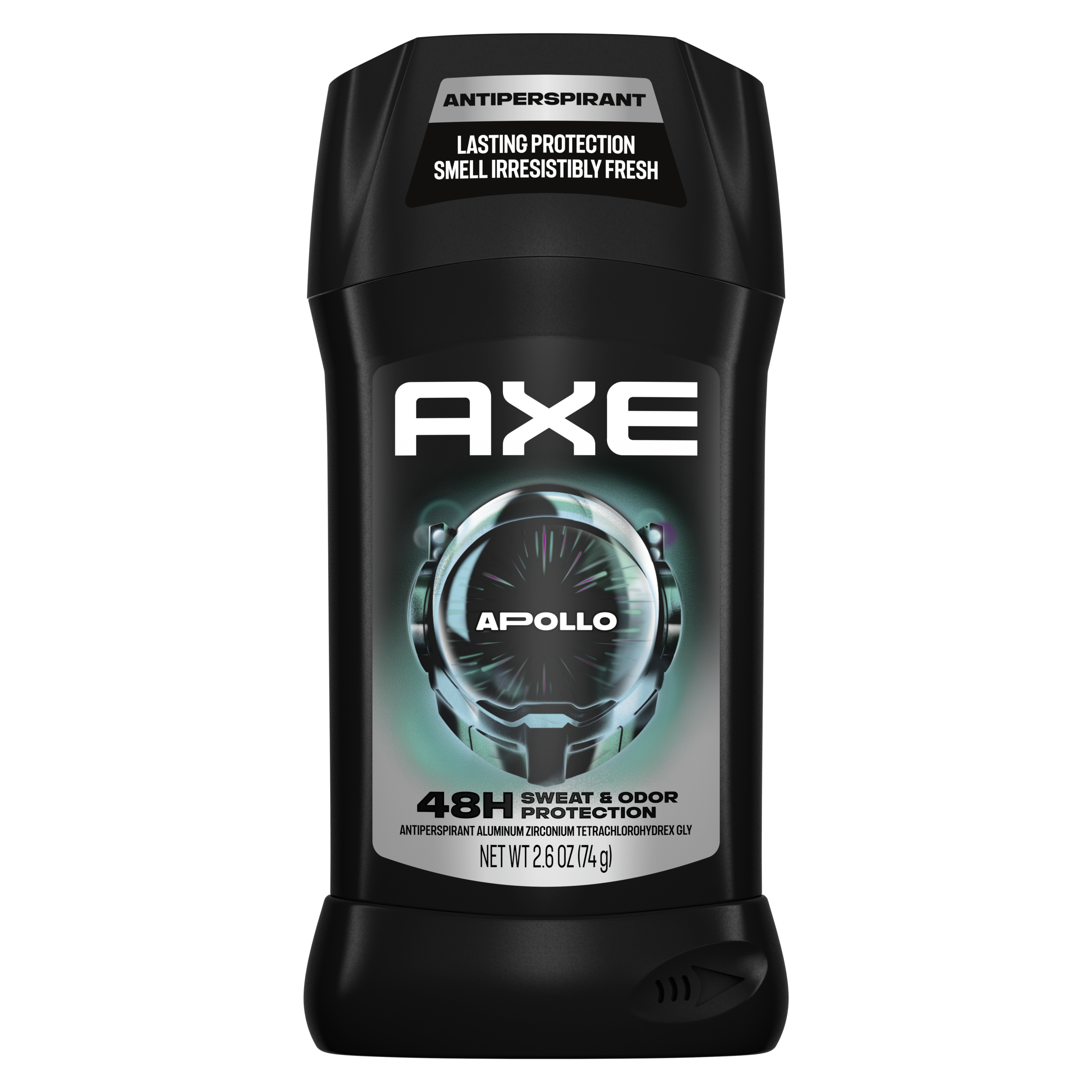
Antiperspirant reduces how much sweat reaches the skin. Aluminum-based active ingredients temporarily reduce sweat production, which cuts off the bacterial fuel that causes odor. For stress sweat specifically, this is where you start.
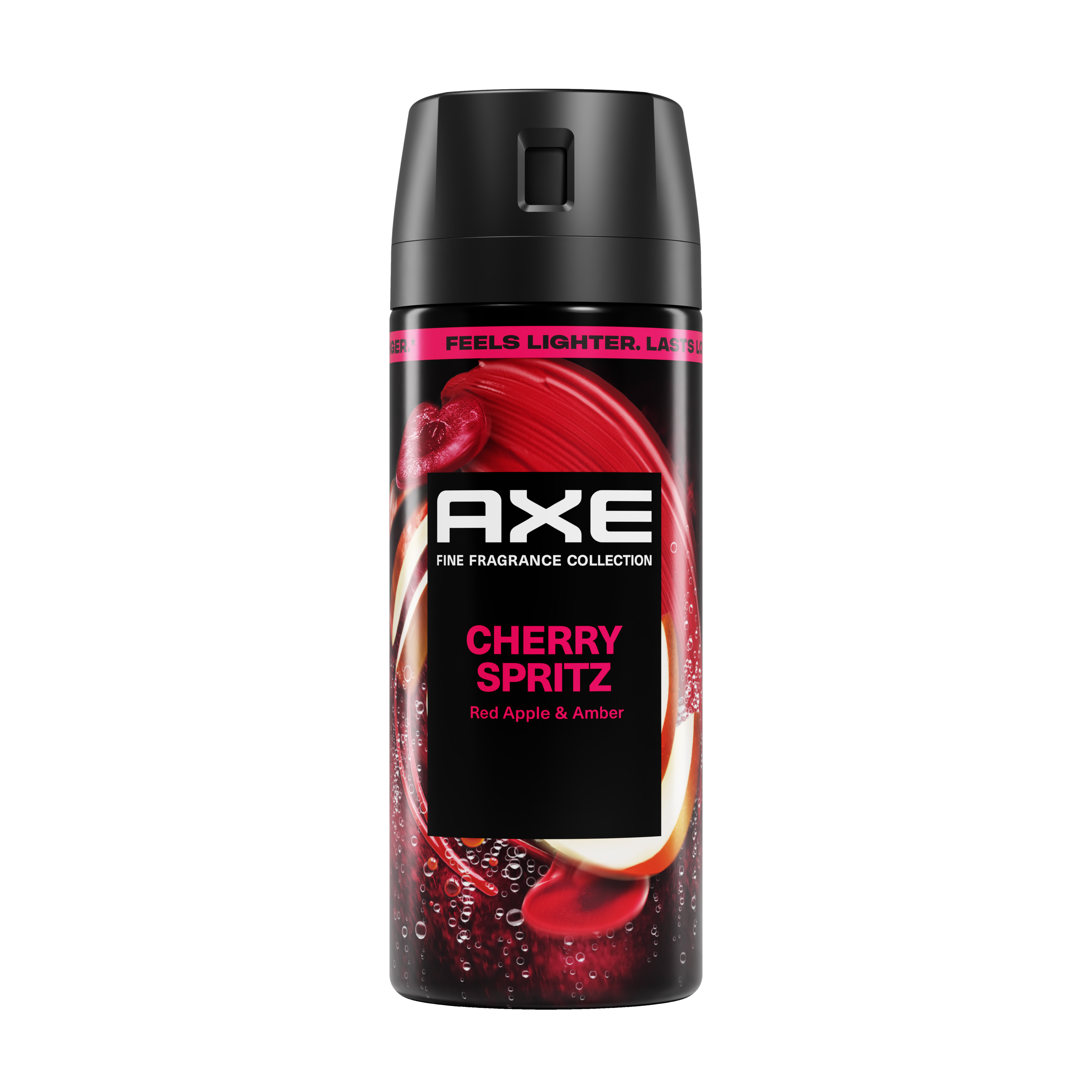
Deodorant doesn't stop sweat; it reduces the smell. Antimicrobial agents target bacteria that turn sweat into odor. Useful when antiperspirant alone isn't enough on a high-stress day, or when you want a scent refresh mid-afternoon.
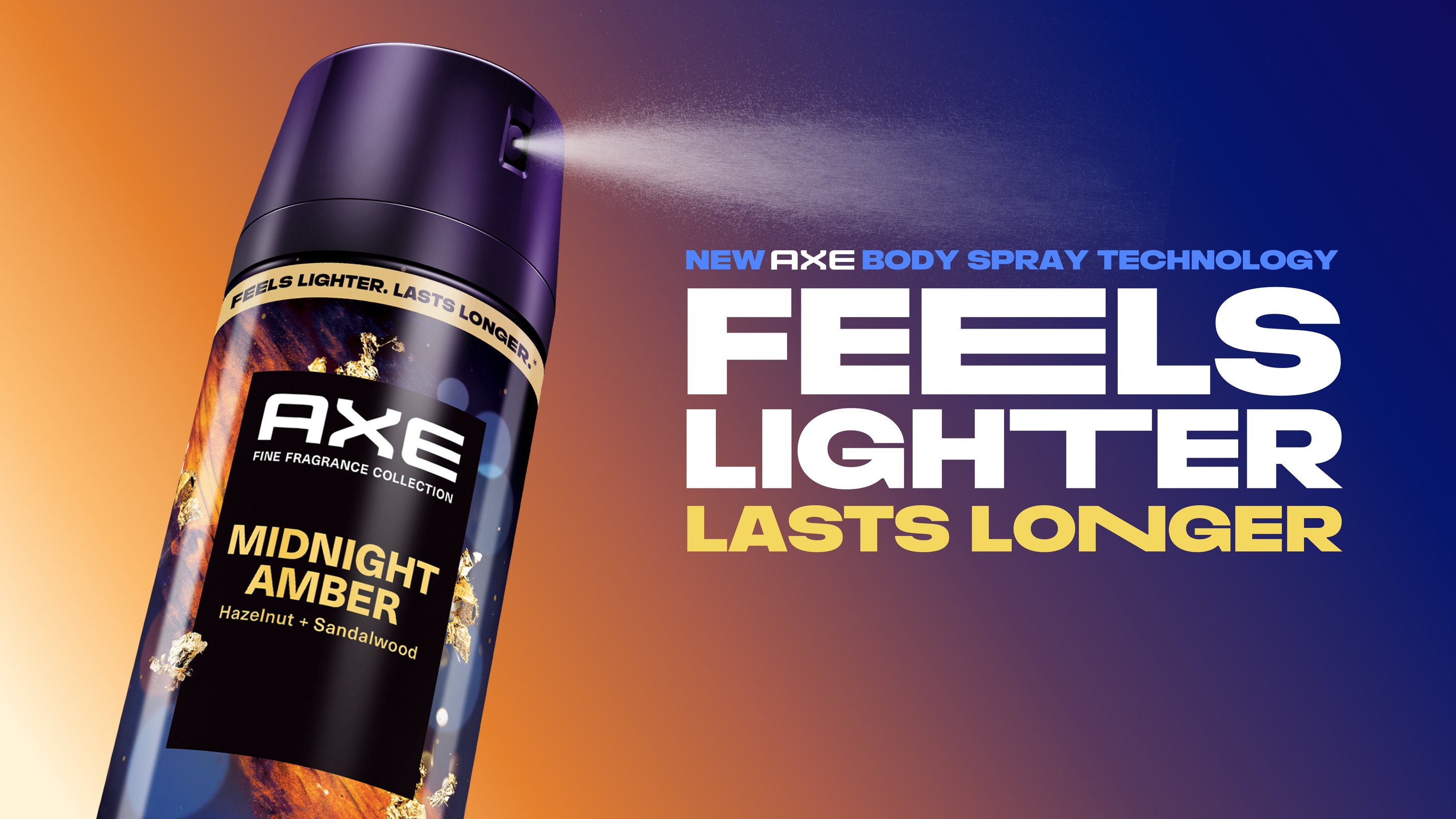
Using both together is the strongest combination for stress sweat. Antiperspirant at night for the sweat-reducing base, deodorant or body spray through the day for ongoing odor control and scent.
Aluminum-based antiperspirants need time to get to work. Sweat production drops while you sleep, which gives aluminum-based active ingredients time to bond properly. Protection carries through the next day even after your morning shower. Night-before application is the move that changes everything.
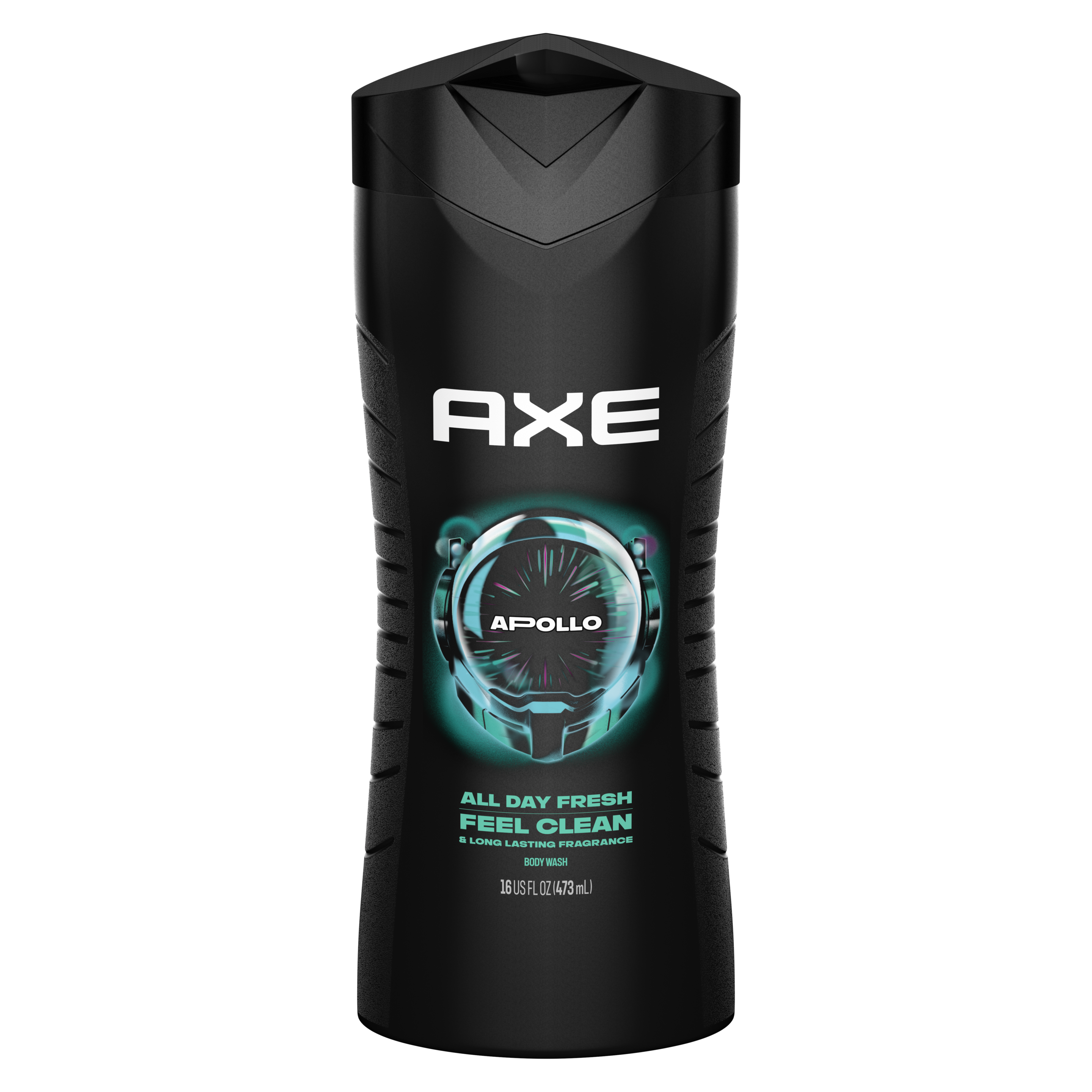
A 5-minute shower with an odor-fighting body wash clears the bacterial baseline. The cleaner you start the day, the less work the antiperspirant has to do. Pick a body wash with a scent that sets the tone for your day.
A proper towel dry after your shower. Apply antiperspirant to clean, dry skin if you didn’t apply it the night before. Body spray for scent. Two minutes in the bathroom beats five minutes trying to fix things at your desk by 10 a.m.
Body wash, antiperspirant, and body spray from the same scent family reinforce fragrance throughout the day instead of letting it fade. Less to think about. Longer-lasting result.
Don't try to reapply antiperspirant over sweat. It won't bond. A travel-size body spray refreshes scent without fighting the antiperspirant base underneath.
Regular sweat comes from eccrine glands. Mostly water, designed to cool you down, largely odorless. Stress sweat comes from apocrine glands. Protein-rich and triggered by emotion and pressure, it can smell strong when bacteria break it down.
Routine changes trigger stress, and stress triggers apocrine glands. The ones that produce thicker, more odor-prone sweat. Add rushed mornings and antiperspirant applied to damp skin, and you have more B.O. with less time to handle it.
Yes. Stress fires up apocrine glands, which produce oily, protein-rich sweat that bacteria break down into odor. Rushed mornings mean more stress and a rushed routine, maybe skipping a shower or forgetting your deodorant.
Apply antiperspirant at night to clean, dry skin. Layer body wash, antiperspirant, and body spray from the same scent family. Carry a travel-size body spray for a midday refresh.
Stress sweat isn't a hygiene problem. It's a biology problem, and it peaks at exactly the moment your routine has the least time to handle it. That's the end-of-summer trap.
The fix isn't more product or longer showers. It's a smarter routine built around when stress sweat actually happens.
The season changes. But your freshness doesn't have to.
Related Products
RELATED ARTICLES