
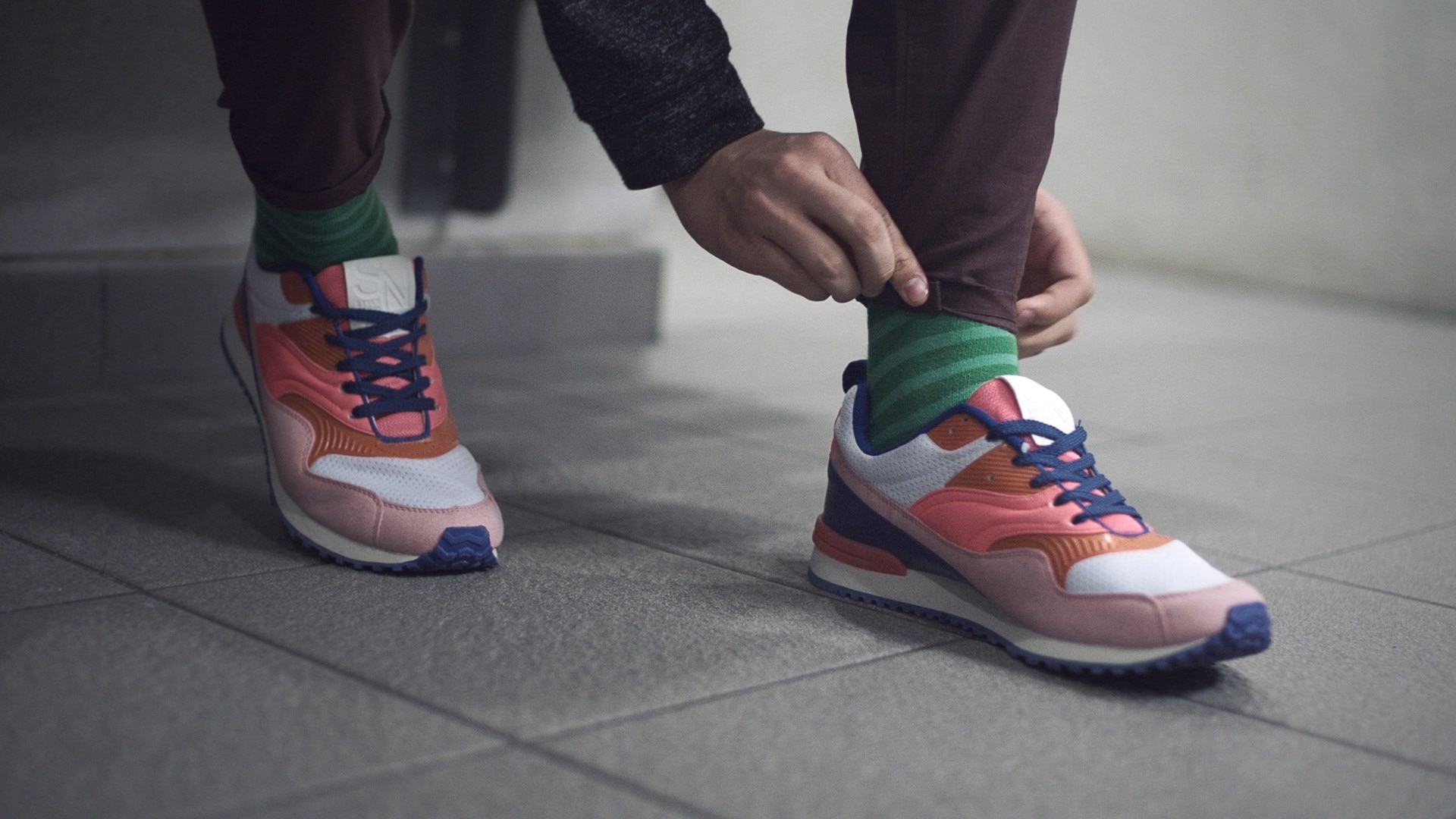
Begin by ensuring your pants are uncuffed and lying flat. For the best results and a sharp look, opt for slim-fit jeans or chinos. These styles naturally lend themselves well to cuffing, creating a clean and modern line.
Key Takeaways for Perfect Pant Cuffing
- Elevate Your Style: Learn how to cuff pants to achieve a sharp, modern silhouette that enhances your overall look.
- Showcase Your Footwear: Discover techniques to perfectly roll up pants, drawing attention to your favorite sneakers or stylish socks.
- Versatile Application: Understand that cuffing works best with jeans and chinos, especially straight-legged, slim, or tapered fits.
- Simple Style Tweak: Master an easy, step-by-step method for consistent and clean pant cuffs every time.
- Confidence in Every Step: Gain the knowledge to confidently style your cuffed pants for any occasion, from casual outings to more refined settings.
Your Step-by-Step Guide to Perfectly Cuffed Pants
Step Out in Style with Confidence
Mastering the art of cuffing your pants is a simple yet impactful way to refine your personal style. By following these straightforward steps, you can effortlessly transform your jeans or chinos, creating a sharp, intentional look that highlights your footwear and expresses your unique fashion sense. Embrace this versatile technique to add a touch of sophistication or a relaxed vibe to any outfit, ensuring you always present your best self.
Frequently Asked Questions About Cuffing Pants
Cuffing works exceptionally well with jeans and chinos, particularly those with a straight-legged, slim, or tapered fit. These styles provide a clean line and prevent excessive bulk when rolled, ensuring a sharp and polished appearance.
The ideal cuff height often depends on your personal style and the footwear you're wearing. A common guideline is to cuff them just above your ankle bone, allowing your socks or the top of your sneakers to be visible. Experiment to find a length that feels comfortable and looks balanced with your outfit.
While casual pants like jeans and chinos are most commonly cuffed, some modern dress pant styles, especially those with a contemporary slim fit, can be subtly cuffed for a fashion-forward look. However, for formal occasions, it's generally best to stick to traditional tailoring.
To help your cuffs stay in place, ensure you create a firm, neat roll. For more stubborn fabrics, a small, discreet stitch on the inside seam can secure the cuff. Alternatively, some people use fabric tape or a light iron press to set the fold, especially for a more permanent look.
Cuffing typically involves simply rolling the hem of your pants upwards, creating a clean band. Pinrolling, on the other hand, involves pinching the fabric at the inseam to tighten the leg opening before rolling it up, resulting in a more tapered and snug fit around the ankle, often used for a sportier look with sneakers.
When done correctly, cuffing pants should not significantly alter your perceived height. A neat, proportional cuff can actually create a clean line that elongates the leg. However, overly wide or bulky cuffs might visually shorten the leg, so aim for a balanced look that complements your body type.
Explore More
Style Insights
MORE TIPS


- slide 1
- slide 2
- slide 3